





VOICES

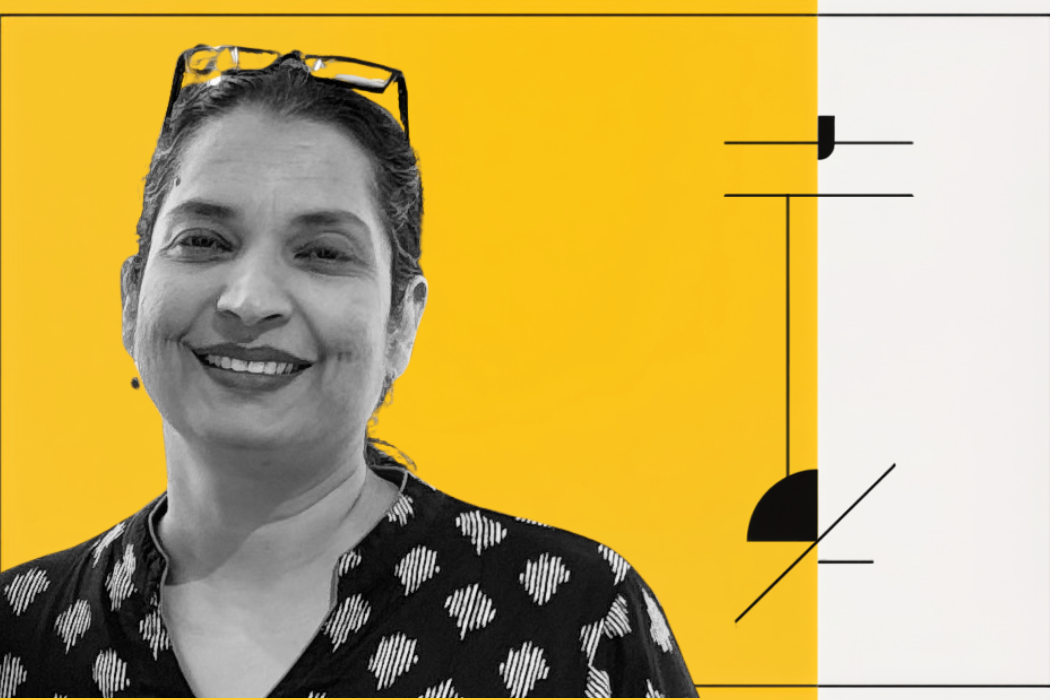
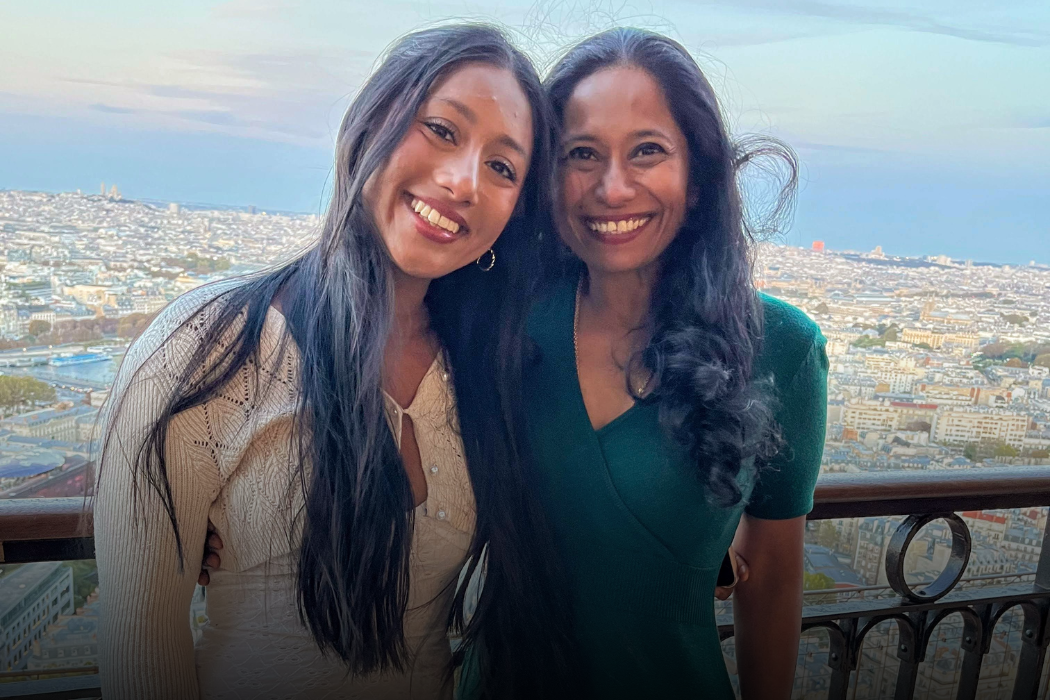
Ananya Iyer, Chief Marketing Officer, Lumenary Collective
Narrative, relevance, and the pressure to sound human while scaling fast.
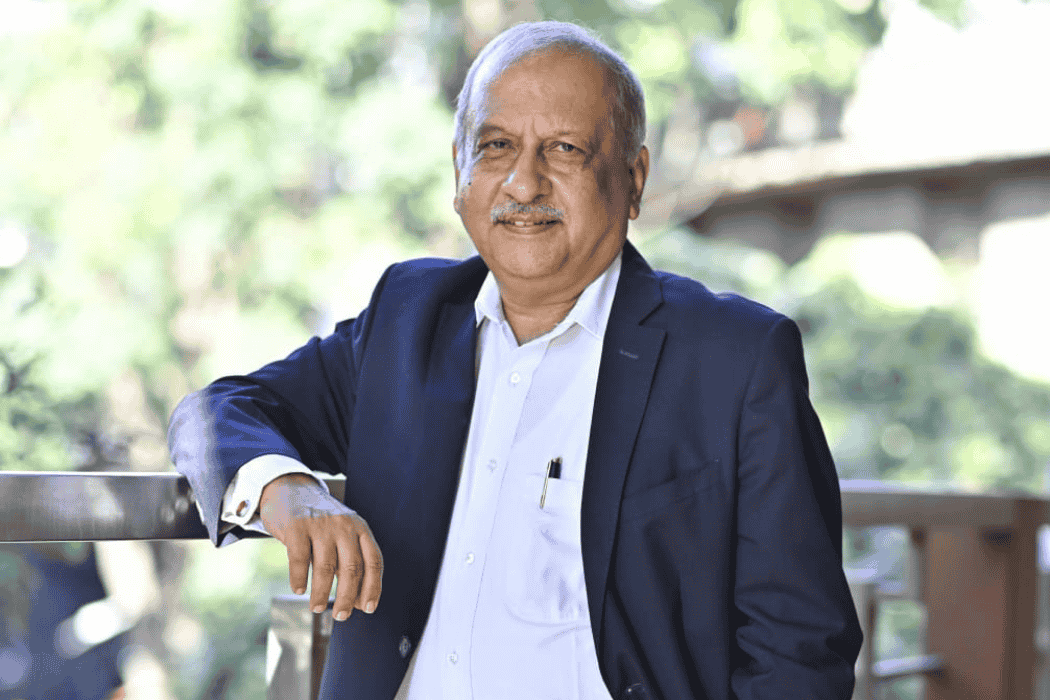
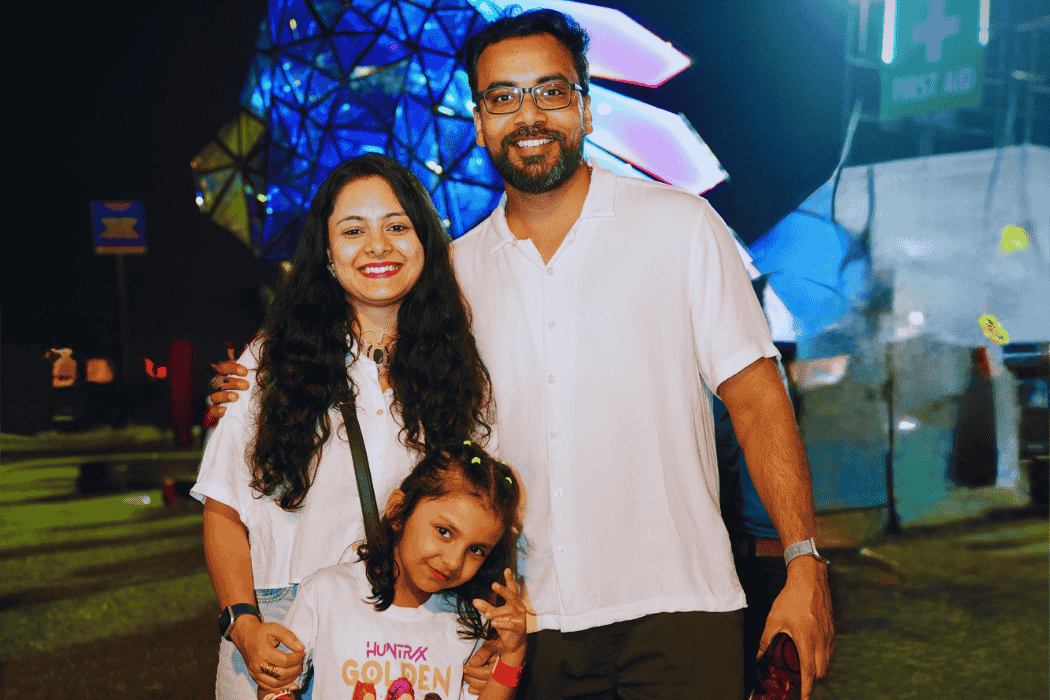
Kunal Verma, Chief Operating Officer, Ironfield Holdings
Execution, constant urgency, and the personal cost of keeping complex operations moving.
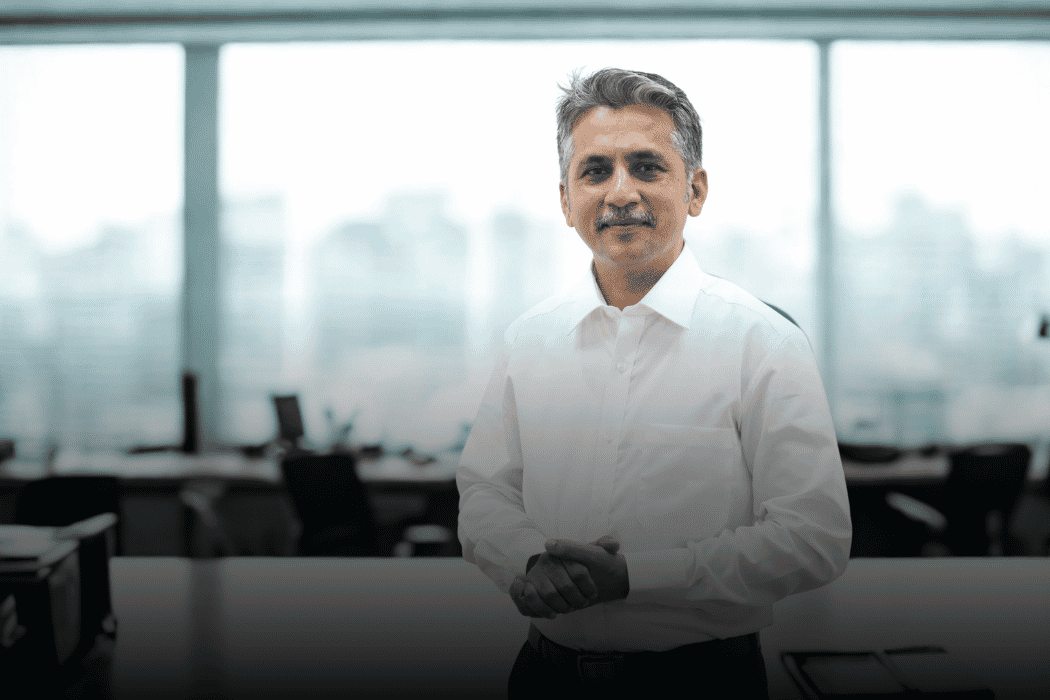
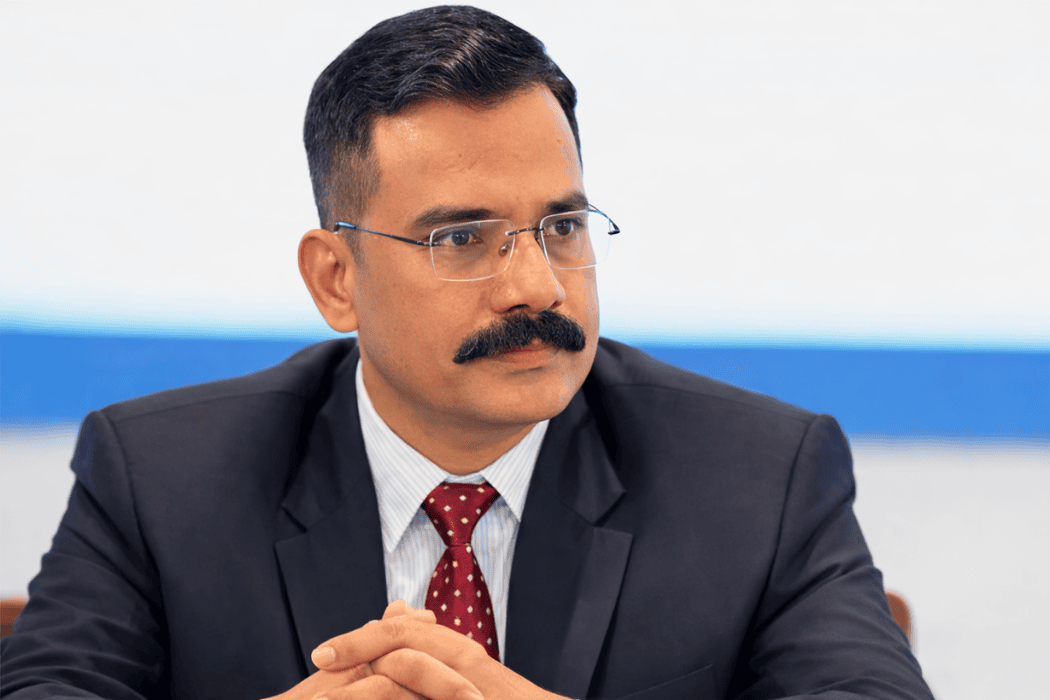
Priyank Sharma, Chief Financial Officer, Halcyon Enterprises
Financial discipline, unpopular decisions, and protecting long-term stability under short-term pressure.
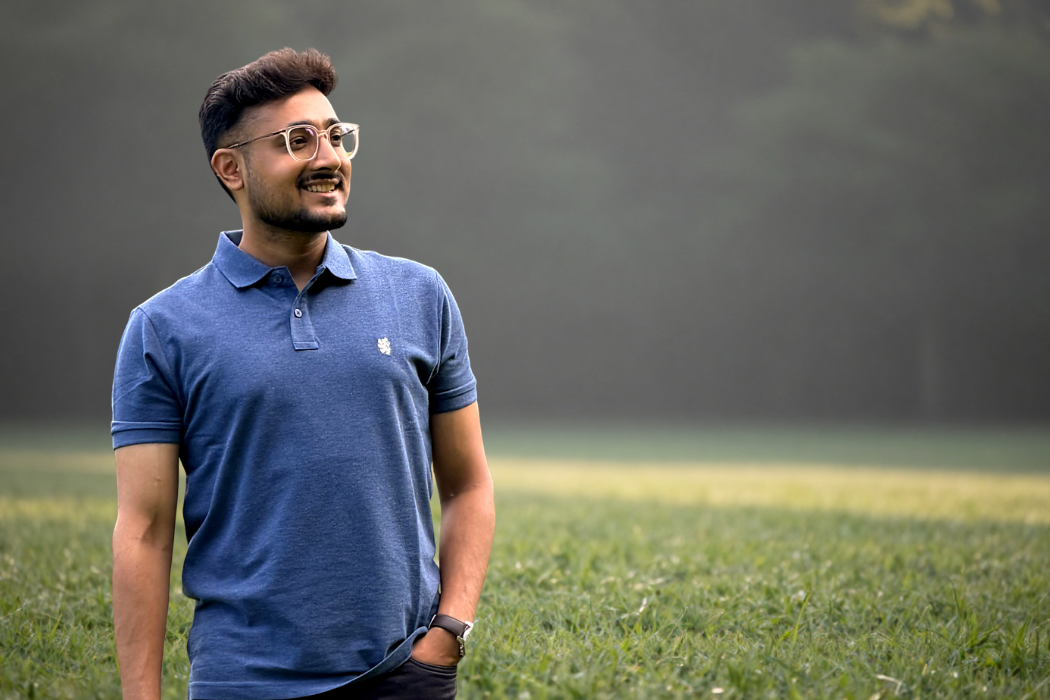
Arjun Malhotra, Chief Technology Officer — Nexora Systems
Speed, responsibility, and building systems that must scale without ever slowing down.

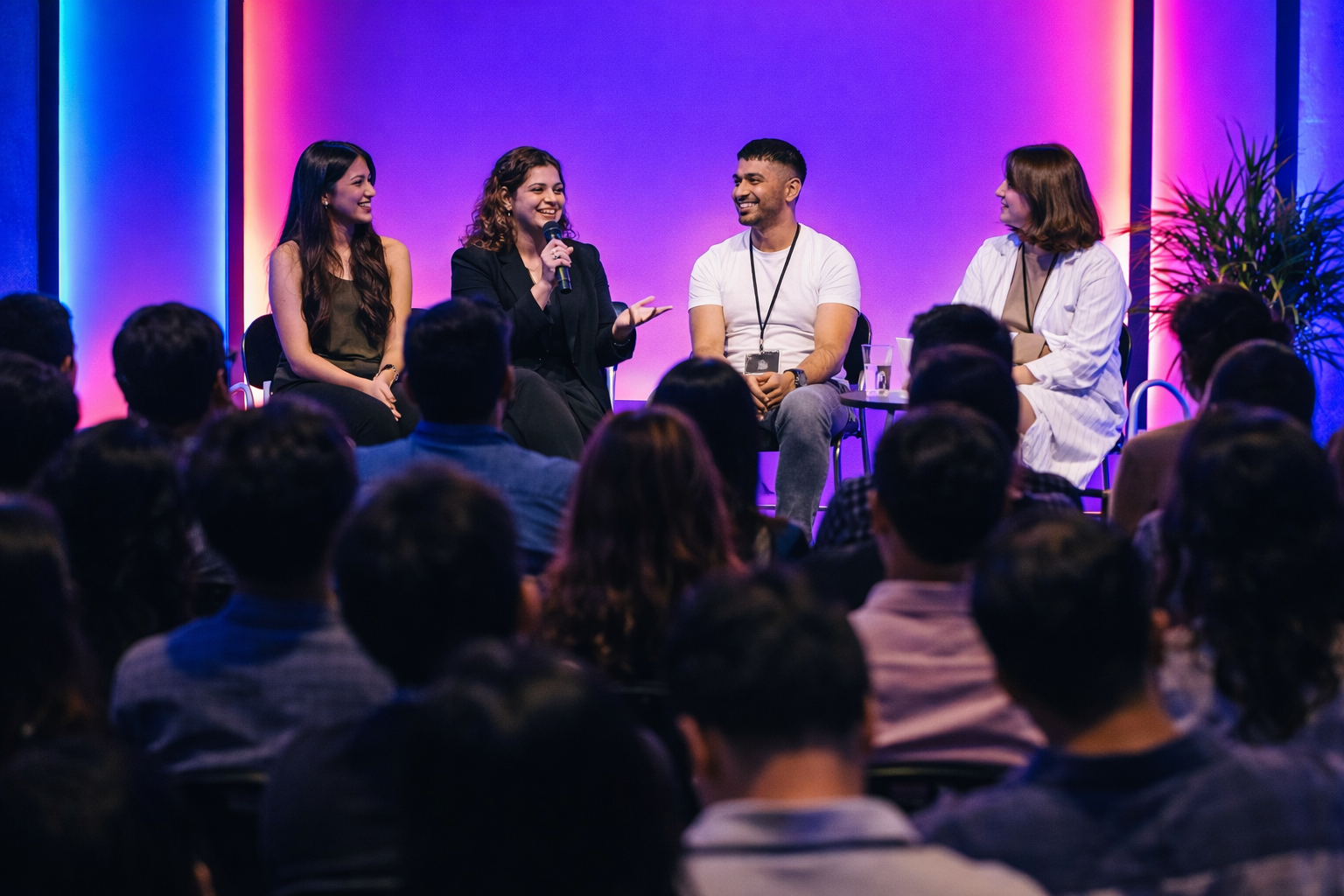
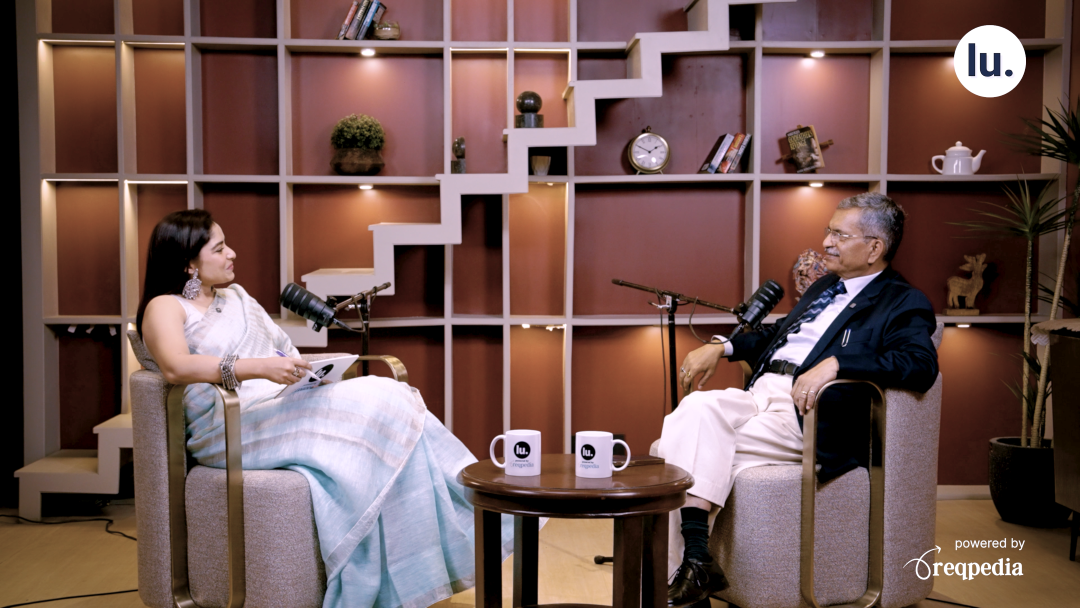
The Cultural Codes of India’s Work Cities

A curated conversation by Wokult on how Bangalore, Hyderabad, and Gurgaon quietly shape how people show up at work.

From how meetings sound to how ambition is expressed, this panel looks at the subtle habits we pick up from the cities we work in. Featuring Rohan Mehta, Ananya Iyer, Kunal Verma, and Pooja Sharma, sharing lived experiences, contrasts, and moments that usually go unspoken.

The talk explores how pace, hierarchy, and risk feel different across cities, even inside similar roles. How location shapes confidence, caution, and career choices in quiet ways. And why place still matters—long after job titles and industries start to blur.

The Afterhour
|
Ep. 01
UNSENT
To::
helpme

I want to leave, but I don’t know what I’m running toward. Staying feels heavy. Leaving feels reckless. So I stay in between, pretending this is a choice.

To::
check out

I don’t know who I’m working this hard for anymore. The goals keep shifting. The finish line keeps moving. I thought clarity would come with time. Instead, everything just blurred. I kept going anyway.

To::
youknowme

You keep saying “great question” and then answering something else. I stopped asking after a while. Not because I agreed, but because it felt pointless to keep reaching.

To::
okok

I stay late most days. Not because I have to. Because leaving on time feels risky. Like it might say something about me. I don’t know when that started. I just know it’s here.

To::
gogs

I’m not burnt out. I’m bored in a serious way. The kind that drains slowly. Nothing challenges me anymore. Nothing scares me either. That worries me.

To::
nancydrew

I don’t mind feedback. I mind inconsistency. What was praised last quarter is suddenly a problem now. I’m adjusting constantly. I’m also tired.

To::
boss

You said this role would grow. It did, just not me. My days are fuller. My thinking is smaller. I keep waiting for it to balance. It hasn’t.

To::
NoOne

I’m still doing the work. I’m still showing up on time. Nothing is technically wrong. But something feels off every day. I can’t name it clearly yet. So I haven’t said anything.

Titles are losing ,meaning, work isn’t
Job titles no longer reliably reflect responsibility or impact. As organisations flatten and roles blur, designations often lag behind reality. Employees increasingly judge influence by decision-making authority and outcomes, not hierarchy. In startups, titles inflate; in corporates, they standardise across unequal roles. The result is confusion—and declining motivational value. As work becomes more fluid and project-based, contribution matters more than labels. Organisations that recognise and reward real impact may build stronger engagement than those clinging to titles as markers of status.
Is AI literacy emerging as a career divider ?
AI literacy is quietly reshaping influence inside organisations. Employees who understand how to work with AI tools are moving faster, producing more, and gaining visibility. Those without access or fluency risk falling behind—not due to capability, but exposure. Without deliberate enablement, AI amplifies internal divides rather than democratising productivity. For organisations, the challenge is no longer adoption, but equity. Investing in shared AI literacy may determine whether these tools strengthen teams collectively—or quietly reshape power and progression in uneven ways.
Work culture is splitting between high-trust and high-control firms
Work cultures are diverging. Some organisations are deepening trust through autonomy, flexibility, and outcome-driven accountability. Others are tightening control with stricter policies, monitoring, and return-to-office mandates. The middle ground is shrinking. Employees are increasingly aware of this divide and choosing workplaces accordingly. The risk lies in inconsistency—companies that speak of trust while operating control breed disengagement. As hybrid work normalises, cultural clarity will matter more than perks. Trust is fast becoming a defining factor in where talent chooses to stay or leave.
Startups are optimising for survival, not scale
The era of growth at all costs is fading. Faced with tighter funding and higher scrutiny, startups are shifting focus from rapid expansion to sustainability. Lean teams, stronger unit economics, and disciplined execution are replacing aggressive hiring and ambitious narratives. This change is cultural as much as financial, reshaping expectations for founders and employees alike. While ambition remains, it is increasingly grounded in realism. Startups built for endurance rather than speed may appear quieter—but they are often stronger, more resilient, and better aligned to long-term value creation.
Career stability is being replaced by skill portfolios
Traditional career ladders are giving way to skill-based portfolios. As roles change faster than titles and teams reorganise frequently, employees are prioritising transferable capabilities over long-term positions. Stability now comes from employability, not tenure. This shift places more responsibility on individuals to manage growth, while organisations quietly benefit from flexible talent. Without clear frameworks, however, employees risk directionless careers and weakened loyalty. The organisations that acknowledge this shift early—and redesign growth around skills—may retain trust in an increasingly fluid work environment.
AI is becoming a manager, not just a tool
AI is quietly moving from support to influence inside organisations. What began as productivity assistance is now shaping priorities, performance signals, and decision-making. Algorithms increasingly decide what gets attention, escalation, or intervention—often without clear explanation. As trust shifts from human judgment to system outputs, power dynamics inside teams are changing. Managers are becoming translators of AI-driven decisions, while employees adapt behaviour to invisible metrics. The question is no longer whether AI can manage work, but how organisations retain accountability, judgment, and trust as systems take on managerial influence.