



Q. Lazy. Entitled. Can't take feedback. Job-hops for "vibes." You've heard the labels. Which one makes you roll your eyes, which one low-key gets to you, and which one — hand on heart — are you willing to own just a little?
Lazy is the one that makes me roll my eyes the most. We are not lazy, we just do not believe that burnout equals ambition. Can't take feedback is the one that does get to me a little. I do think we question feedback more, especially when it is not explained well or comes from hierarchy without context. Job-hopping for vibes is something I will partly own. We do move faster, but it is less about vibes and more about growth, alignment, and respect. If those are missing, we do not see a reason to stay just for the sake of it.
Q. What does Gen Z look for in a job and workplace?
We are not just looking at the role, we are looking at the full environment. The manager, the learning curve, flexibility, and whether the workplace feels mentally safe all matter. Money matters, but not at the cost of peace or self-respect. We want clarity in expectations, honesty in growth conversations, and the ability to disconnect without guilt. It is not about comfort, it is about sustainability.
Q. You’re doing things differently — what are you building instead?
We are building flexibility and options. Earlier generations focused more on stability. We focus on adaptability. Side skills, personal branding, and multiple income streams are not distractions, they are security. We also define success differently. It is less about how long you stayed and more about how much you evolved.
Q. What’s not being leveraged well about Gen Z? What should workplaces change?
Our ability to think across functions is often ignored. We naturally connect ideas across domains, but many organizations still work in rigid structures. If I had to ask for one change, it would be to value outcomes over hours and presence. Trust the work, not just the process.
Q. One thing Gen Z does best at work
We are very self-aware. We reflect, we question, and we adapt quickly. That level of awareness and willingness to change direction is something that stands out.
Q. On being misunderstood
What is actually happening is a shift in control from organizations to individuals, and that discomfort is being seen as a problem.
-- Ends --
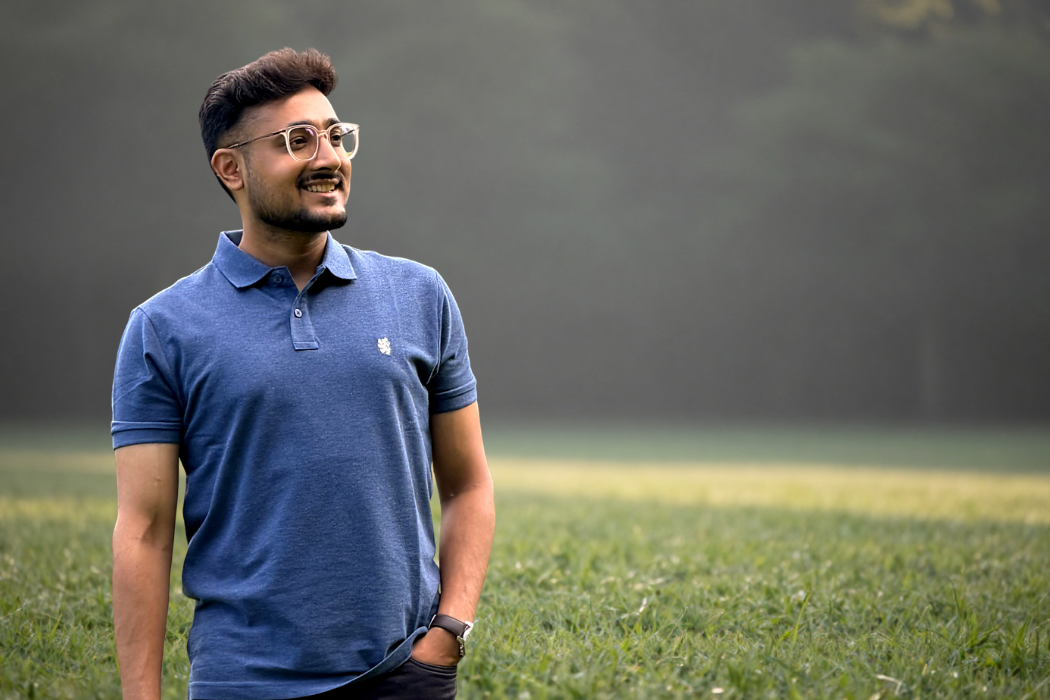
Somanshu Porwal is an IT Audit Consultant at Deloitte, working in IT audit and financial controls across technology systems, with a focus on risk, compliance, and evolving workplace dynamics.
.png)
.jpg)

%20(1).png)

.png)