



Q1. Finland is widely recognised for its high levels of reported happiness. From your perspective, what do you think the country understands about well-being that other societies could learn from?
I think the calmness in Finnish everyday life came from the way society was traditionally built. It was not just about individual choices, but about the foundations that shaped how people lived. Many Finns still believe in those foundations, even though parts of the old system no longer work as they once did.
Perhaps the important lesson is that well-being cannot depend on individuals alone. The way society is built also influences how calmly and securely people can live.

Q2. Happiness is often associated with professional success, financial security, or personal achievements. How would you distinguish genuine well-being from the feeling of constantly achieving more?
I believe there is a point at which financial freedom allows you to face everyday challenges without stress. Having enough to manage life's demands can bring a sense of security that constant achievement cannot necessarily provide. Beyond that point, more money can also mean more problems and responsibilities. The pursuit of more does not always make life easier.
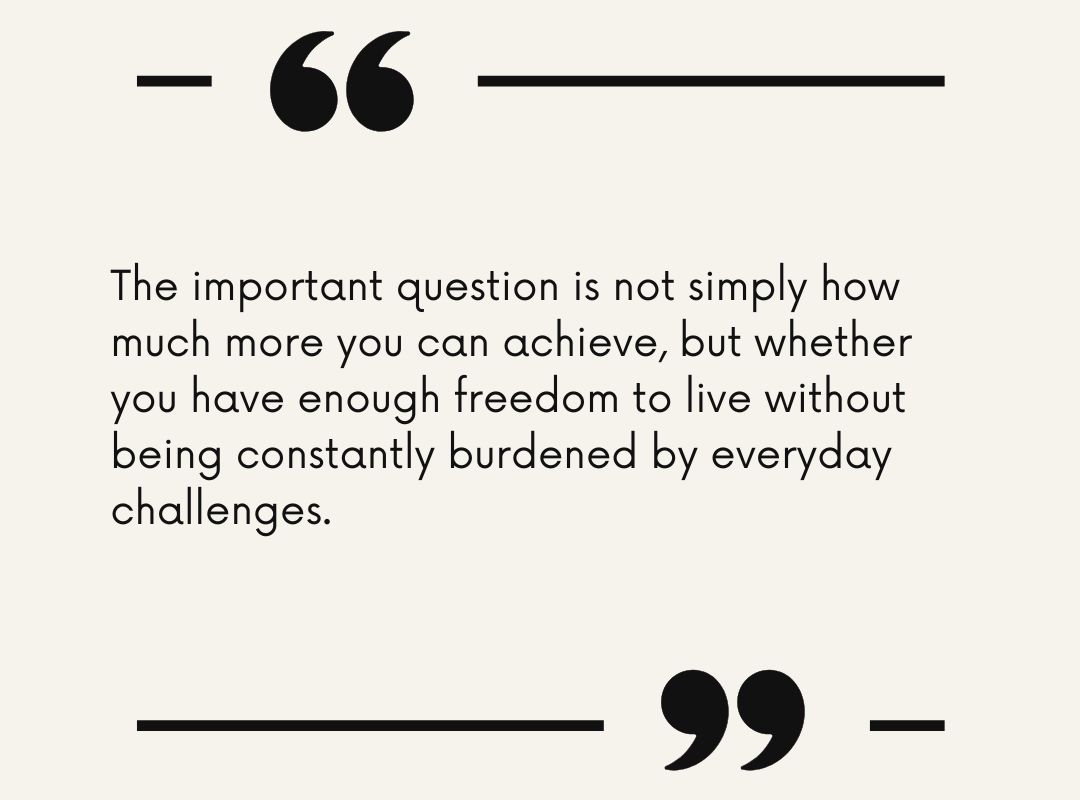
For me, the important question is not simply how much more you can achieve, but whether you have enough freedom to live without being constantly burdened by everyday challenges.
Q3. You have spoken about balancing an intensive professional career with maintaining your physical health. What personal habits or principles have helped you sustain that balance over the years?
Training and competing at a high level have shaped how I approach challenges. When you are used to preparing yourself physically for demanding situations, you begin to understand the importance of being ready before the challenge arrives.
Eating correctly has been an equally important part of that preparation. Training and nutrition have helped me build the physical foundation I need to meet different demands. For me, looking after my body has made it easier to face challenges. Physical health is not something to think about only when things go wrong; it is part of preparing yourself for what lies ahead.
Q4. Many professionals feel they must sacrifice sleep, exercise, relationships, or personal time to succeed at work. Why do you think this trade-off has become so common, and how can individuals begin to challenge it?
To be truly successful, you need to treat your body like that of a high-level athlete. Every major challenge demands a certain level of physical readiness, and you cannot expect yourself to keep performing if you neglect that foundation.
Sleep, nutrition and exercise are therefore essential. They should not be the first things sacrificed whenever professional responsibilities increase. But being well is not only about physical performance. You also need to treat your loved ones well and give them quality time. Sometimes, reducing distractions such as Netflix and Instagram is a simple way to make more room for what really matters.
Q5. Finland's approach to well-being is often discussed in connection with trust, social support, nature, and work-life balance. Which of these factors do you believe has the greatest relevance for today's workplaces, and why?
I think it was the totality of many things, as I mentioned earlier. The strength of Finland's traditional approach was not necessarily one particular factor, but the combination of different elements that contributed to everyday well-being.
I believe it is important to look at the bigger picture rather than assume that one factor alone can create a sense of well-being. The different parts of a person's life and the society around them cannot always be separated from one another.
However, that was the Finland of the past. Only parts of the system that once supported this way of life are still working today. For me, this is an important distinction: the traditional Finnish approach offers something worth understanding, but it belonged to a different time.
Q6. You have emphasised preventive health rather than waiting until problems arise. How can individuals move from reacting to exhaustion and stress towards building sustainable habits that protect their long-term well-being?
To be in balance, you need to build a good foundation. That means taking care of yourself day in and day out through nutrition, sleep and exercise, rather than waiting until you feel exhausted to make a change.
These habits may seem simple, but their strength lies in consistency. Looking after yourself needs to become part of your normal life, not just a reaction to a problem.
When your foundation is strong, you can also enjoy the things you like, such as having a pizza, without feeling that one choice undoes everything. The goal is to build a balance that works over time, rather than trying to get everything right every single day.
Q7. What responsibility should employers and leaders take for employee well-being? Where should organisations draw the line between supporting people's health and expecting individuals to manage it themselves?
I think one practical approach is to incentivise well-being. Companies can offer incentives to employees who actively take part in initiatives that support healthier habits.
This gives people a reason to participate rather than making well-being just another message from management. It creates a more direct connection between the organisation's encouragement and the individual's actions.
There can also be benefits for the company itself, including fewer sick days and more energy at work. In this way, supporting well-being can be valuable for both employees and the organisation.
Q8. In a world increasingly shaped by digital connectivity, remote work, and pressure to remain constantly available, how can people establish healthier boundaries without feeling that they are compromising their careers?
My rule is simple: “I ANSWER AS SOON AS POSSIBLE.” It works well for us.
I prefer a straightforward approach to communication rather than making it unnecessarily complicated. Having a clear personal rule helps me manage the way I respond to people. Of course, every person's circumstances are different. For me, the value lies in having a practical approach that works in everyday life and can be followed consistently.
Q9. What is one common misconception about happiness or staying well that you would like professionals and business leaders to reconsider?
I think people sometimes try to force well-being by adopting trends or doing things simply because they are popular. But following a trend does not automatically mean you are building a healthier life.
These things should come from a well-built foundation. Without the basics in place, it is easy to focus on new approaches while overlooking what actually supports everyday well-being.
For me, it comes back to the fundamentals: nutrition, sleep and exercise. Rather than constantly searching for something new, it is worth asking whether the foundation you already have is strong enough.
Q10. If you could encourage someone who feels overwhelmed by work to make just one meaningful change in their daily life, what would you suggest, and why?
Start planning. When work feels overwhelming, it is easy to feel as though there is never enough time to get everything done.
Planning helps you see how many hours you actually have and how much you can accomplish within them. It gives you a clearer picture of your time instead of leaving you to react to everything as it comes.
Sometimes, the first step towards feeling more in control is simply understanding how your day is organised. Before trying to do more, take a closer look at the time you already have.
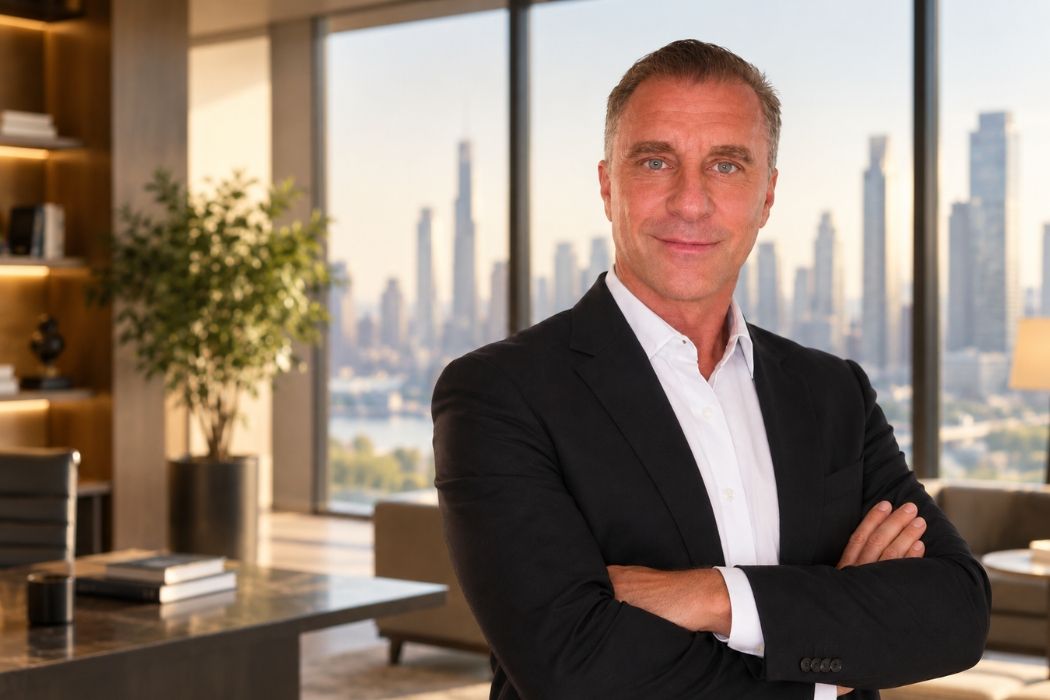
About Hendrick Henningson :
Hendrick Henningsson is a global expert in luxury, excellence, preventive health, and beauty, with over 40 years of experience. Working across international markets in English, Spanish, Swedish, and Finnish, he advises clients and businesses on growth, positioning, and long-term success.
He owns and serves on the boards of five companies, including Henningson Black Level (HBL), Maison de Sophys, and Abbas & Henningson. His ventures span luxury, beauty, advisory, and media, alongside a new fashion company planned for 2026.
Beyond business, Hendrick specialises in preventive health and lifestyle development. An active athlete who continues to train at competition level, he combines decades of experience with a practical approach to helping people improve their well-being through sustainable lifestyle choices.