





Drishti Pandita has built a career out of running straight at it. The first growth hire at Matiks, a startup she joined when it had zero daily users and no playbook, she is the kind of person who has never read a manual in her life including, she'll tell you, the ones that come with appliances. Across Cambridge, INSEAD, EY, Frost & Sullivan and now a startup that reinvents her role every few months, she has walked into one undefined mandate after another. Her LinkedIn bio is a Charles Bukowski poem: invent yourself and then reinvent yourself, and stay out of the clutches of mediocrity.
We asked her what role ambiguity actually feels like from the inside, when it stops being exciting and turns unfair, and what she'd tell anyone dropped into a job with no map.
Role ambiguity is a phrase people nod at without defining. As the first growth hire at a startup that barely had any users, what did “not knowing what your job is” actually feel like day to day?
It didn't feel like a job. It felt like a hackathon that never ended, you're just trying random things, hoping one of them leads somewhere. There were no KPIs. We didn't even know what the KPIs should be.
Every morning I'd write five things on my board, and then I'd end up doing ten completely different things. There was no reporting structure. Five people would tell you five different things, and you'd just do them all, in the chaos.
It's also lonely. Your friends know exactly what's on their to-do list. You don't. I joined when we had zero users, so there was barely anything to hold on to. I kept questioning what I was doing, I even thought about finding a better job.
But looking back, all that running around is actually how you find the right direction. You try everything and kill off what doesn't work. I ended up writing the entire brand direction for Matiks, because I was the one who'd written thousands of tweets, posts and content pieces. I'd made a lot of mistakes, so I knew exactly what not to do. I figured out what Matiks should sound like: the language, the story, the narrative.
That journey matters, especially for growth or marketing people who join on day one. When you've touched everything, you don't just figure out your own job. You figure out the whole story for the company.
You joined at Zero Daily Users with no playbook, no job description, no one who'd done the role before. When nobody can tell you what the job is, how do you work out what to do first?
Two things saved me: writing things down, and doing the math.
I run experiments in parallel, not in series. Does it drain you? Yes, but that's just the cost of figuring things out when nobody can give you the answers.
When I was the only hire, I was running five experiments by myself. Then I'd look at the data, break it down, and try to see what was actually working. That helped me cut things fast, and I learned early that getting attached to your own ideas is the dumbest thing you can do.
I've always liked building the playbook, not following one. I love when nobody tells me how to do my work. That's still true, my role changes every three months. I build the system, hire people, hand it off, and start the next thing from scratch.
Right now I'm working on US go-to-market, which is another blank page with the same process. I have three things running, I'm comparing all of them, and whatever works best, I'll go all in on.
“Growth” is one of those roles no one can cleanly define: half marketing, half product, half whatever's on fire. Does that vagueness give you freedom, or does it just mean you're accountable for everything and in charge of nothing?
Everyone in a startup is trying to grow the business. Every role is really about growth. Developers aren't just writing code, they're building things to get more users. You're responsible for everything and in charge of everything. At least that's how it works at Matiks. Developers bring their own growth ideas. Everyone is learning how to build a business, and business is growth. Without growth, there's no point.
Sure, there's a lot of vagueness, but the way I see it, you get to learn everything. You learn how to actually run a business.
This March, my whole month went into figuring out payments for international vendors dealing with banks, paperwork, vendor documentation. Is that growth? No. Is that product? No. But if I go and build my own business tomorrow, do I now understand how banking works, and the ancient systems banks still run on? Yes, I do.
The best place to grow is where you get that kind of exposure. It also depends on culture. At Matiks, I own everything, and I see the direct impact of my work.
You went into work young, straight into ambiguity. How much of the early anxiety was simply not knowing what “good” was supposed to look like and what did no one warn you about?
Early anxiety is really just not knowing what the industry looks like. So many times, I'll do something like bring a CPM down to one dollar and still think it's too high. Then you find out that's actually a great number, but nobody told you. There was no one around to give you the benchmark.
What nobody warns you about, at least in startup culture, in the Silicon Valley of India, is that everyone is figuring it out. Nobody has it all together. The people you look up to? They're just further along in the same mess.
Two things helped me. First, I focus on the day's problems. I give everything to what's in front of me that day, and then I call it a day. Second, quality over quantity. In my first year I used to work twenty hours straight. Now I'd rather give eight to ten hours of focused work on clear problems than run in every direction. A clear head, and knowing exactly what you're solving, that's everything.
There's a Bukowski poem you keep close: invent yourself, then reinvent, stay uncategorizable. Do you see role ambiguity as pressure, or as a canvas?
I've never seen ambiguity as pressure. I get bored when there's nothing new to figure out. When you're already an expert and your job is just to maintain things day after day, it gets old.
I've never been the same person for more than six months, and I can't even imagine being that. That's why I was the one who pushed to get a job that changes every three months. I build the playbook, hire the people, hand it over, and move to the next blank page.
Does it hurt that you don't get to own the long-term success of what you built? It does. But you get to learn a hell of a lot, and that's all I really care about. It's always been a canvas for me, never pressure.
Startups sell ambiguity as a feature: “wear many hats,” “figure it out.” When does that tip over from exciting into just chaotic and unfair on the person expected to figure it all out?
If you're joining a startup today, into a new role or a new vertical, the chaos is just part of the deal. For the first six months honestly, even the first year you'll have to put in a hell of a lot of hours. It will be chaotic. There's no way around that.
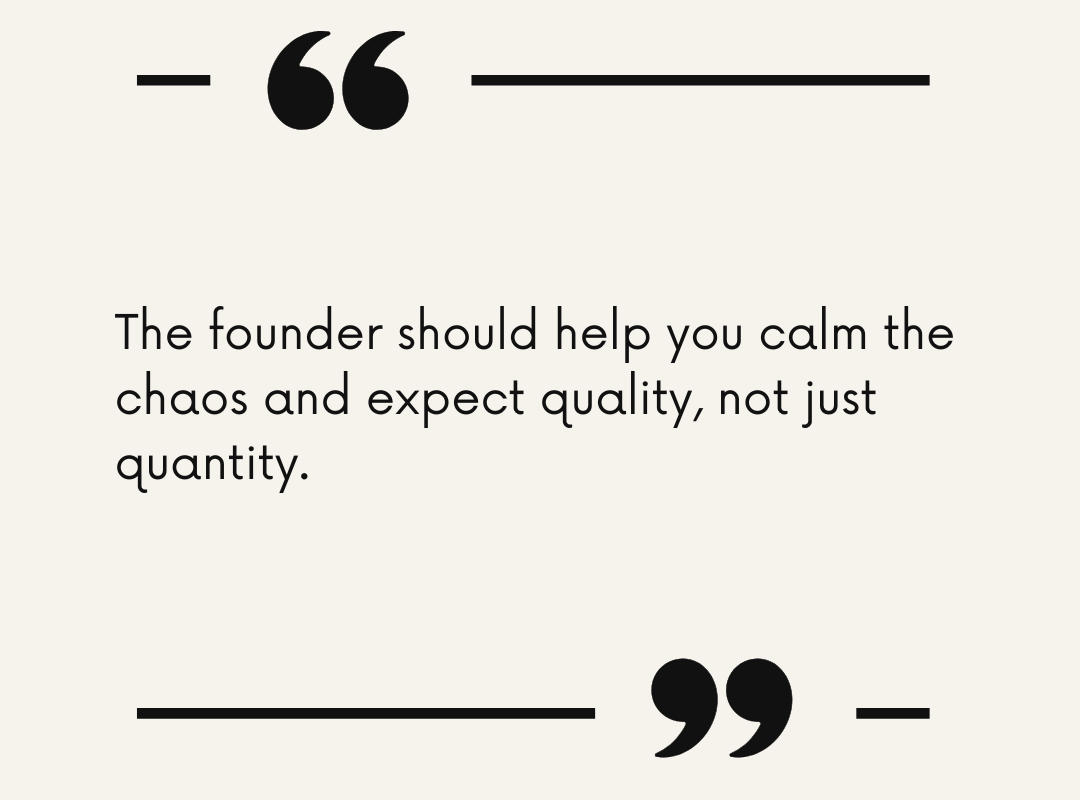
But over time, once you've been through that phase, the chaos does come down. There's still a lot of work, there's still a scale you have to hit, but it becomes more of an intentional effort than just running in all directions. After a certain point, the intensity should really come down. And the founder should, time and again, help you calm that chaos and expect quality from you, rather than just quantity.
You've moved across very different worlds: EY and public policy, Cambridge and luxury fashion, forecasting at Frost & Sullivan, now startup growth. Walking into a fresh undefined mandate each time, how do you get your bearings fast?
I've always been the one to build playbooks, not follow them. I really don't like being handed a set of guidelines to follow. I've never even read the manuals that come with appliances, I'm the type of person who'd rather just open the box and start. I don't think I've read a manual for anything in my life.
Even as I kept switching between research, market analysis, consulting and product management, I always tried to figure out what works best. And I've come to realise that as an early hire, or in any generalist role, what really makes things work comes down to three things.
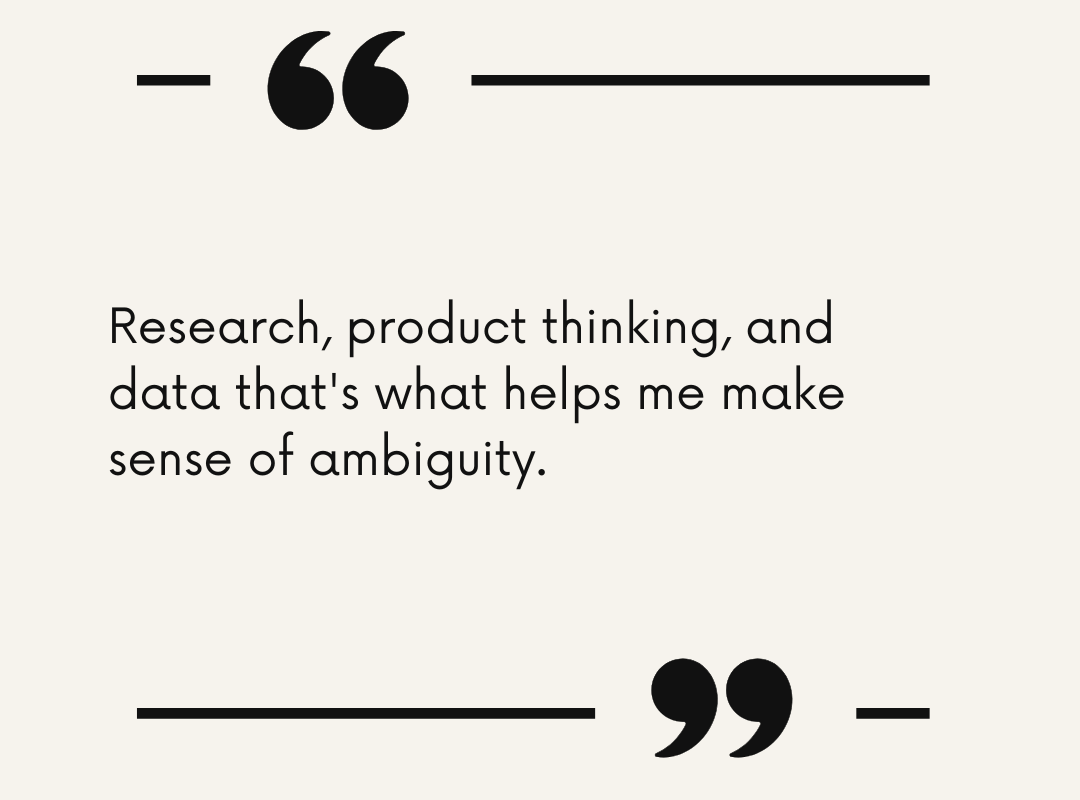
First, research. Ninety-nine per cent of my work is just research and figuring out what to do with my research experience at Cambridge and INSEAD gave me the skills for that. Second, product and marketing. Thinking in terms of product, and then knowing how to sell it through content or marketing, has been incredibly helpful. Third, data. A background in data made me very good with numbers, and most of the rest of my work is just looking at numbers and figuring out how to work with them or how to bring them down.
Whose job is it to remove role ambiguity? And what happens when nobody does?
No one is stopping you from stepping up and removing that ambiguity yourself. Keep bringing the results of your experiments and your hypotheses, and propose what should be done next. Of course you'll be wrong a lot of the time, but at least you'll be having that conversation. Eventually you'll be able to say: this is what I think is more valuable and where I should focus; this is what I can delegate; and this is where I'm having a problem and it's not working out despite all my efforts.
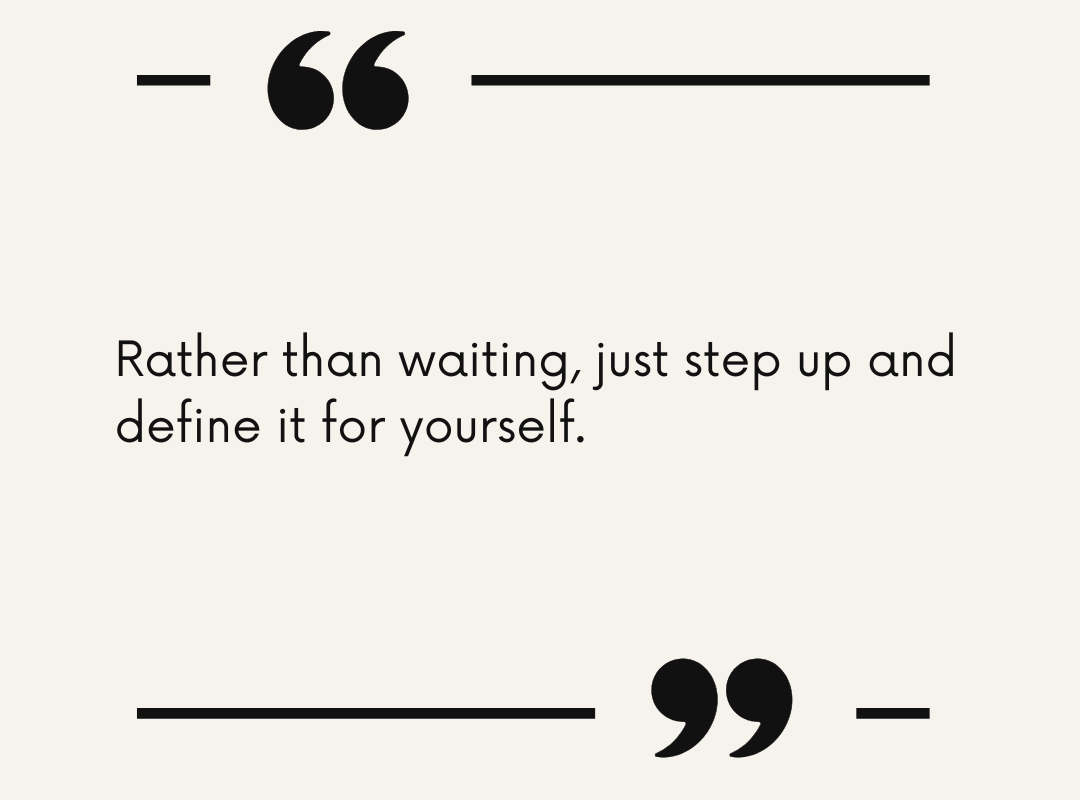
For me personally, you should be the one to step up, because only you know exactly what role and what work you want. Rather than waiting, just step up and define it for yourself.
But of course, it's the founder who should take this responsibility as other people join the team to remove ambiguity and set boundaries and goals for your work.
When no one knows exactly who owns what, can that ambiguity curdle into something uglier, turf wars, unhealthy competition, people playing politics to claim credit or dodge blame? Have you seen unclear roles quietly sour a team's culture?
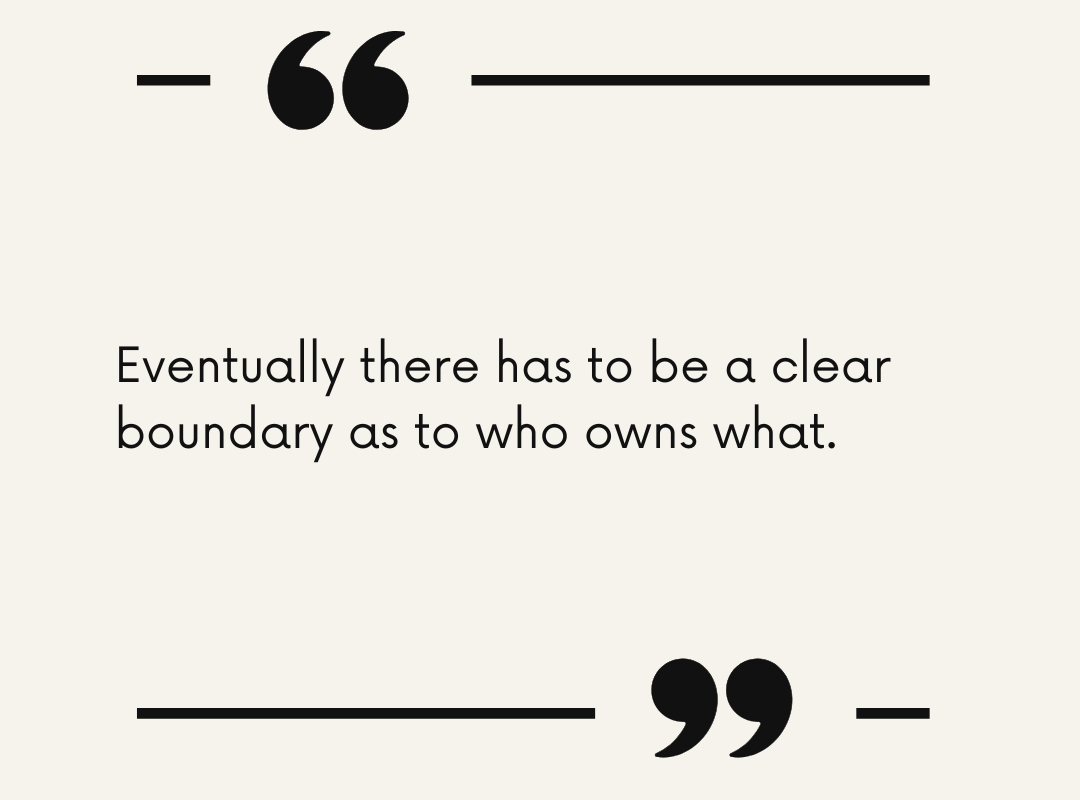
I certainly see that possibility. But over time, the founders step up and define roles that don't overlap. If there are two people working on the same thing, they can set up a team between them.
For someone starting out right now, dropped into a role with no clear expectations and wondering whether they're just not getting it, what's the one honest thing you'd tell them?
First, figure out if the founders really mean what they're doing. They shouldn't be doing it just for the sake of it, or chasing the next trend in a gold rush. They should be building something meaningful, and they should know what they're building.
Second, prioritise learning and connections. Ask yourself: what do I have to learn here, and can I make the connections to meet the right people, who'll help me tomorrow?
Third, evaluate the team. If you're joining an early-stage startup with no clear expectations, you have to make sure you align with the founders and the small team. You'll probably be spending twelve to fourteen hours a day with them, so they need to be people you can be friends with. That's the most important part. You don't want to work somewhere you can't be open.
Everything else is just things you can learn. You can learn skills online and figure things out yourself. But having the right set of people including friends and mentors, that's the most important thing of all.
About Drishti Pandita
Drishti Pandita is the first growth hire and now Founding Product and Growth at Matiks, which she joined at zero daily users. She has held research and strategy roles at the University of Cambridge, INSEAD, EY and Frost & Sullivan, holds a BTech in Computer Science, and writes the newsletter Drishtibution on ambition, performing, and finding her own path.
.jpg)


%20(1).png)
.png)