




There is a point when “this is just a difficult job” stops being an explanation. For Beatrice Okemute, that point came when delayed salary, verbal abuse, fear of speaking up and the effect on her mental health could no longer be explained away. What followed was a gradual loss of identity, confidence, sleep and motivation.
In this conversation, Beatrice talks about the behaviours people often normalise at work, why “resilience” can sometimes become an excuse for enduring harm, and what it means to rebuild yourself after a workplace has made you question your own voice.
Q1. You have openly written about a time when your focus was simply “surviving” your job. What did that period actually feel like for you, day after day? Was there a particular moment when you realised, “This is not just a difficult job anymore”?
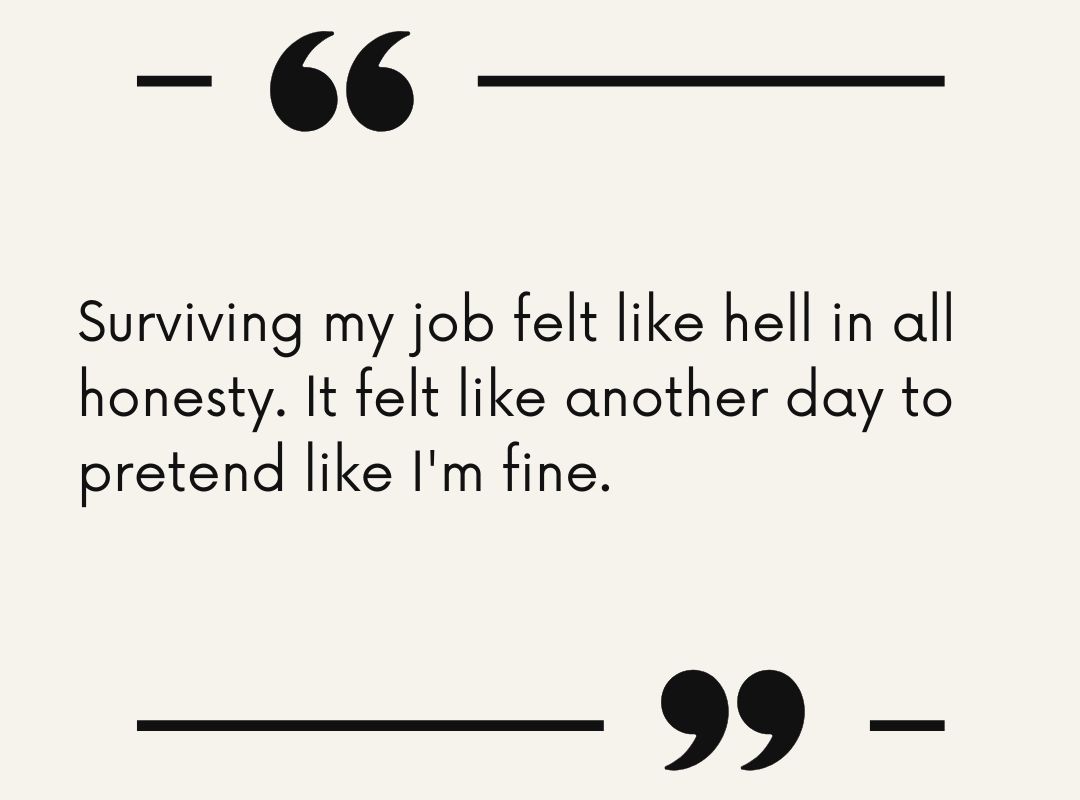
Surviving my job felt like hell, in all honesty. It felt like another day of pretending that I was fine. You know those days when you wake up wanting more or something far better, but you feel trapped? It was a pain that came from knowing I deserved better but feeling helpless.
Despite submitting several job applications, nothing was forthcoming. I had to stay to pay the bills and suppress my emotions, which hurt even more. I cried multiple times whenever I got home. Of course, I knew it was no longer just difficult, but toxic. I'm an adaptable person, so facing difficult seasons is something I've been used to all my life. But this felt different. Delayed salaries, a verbally abusive boss, the fear of speaking up, and my declining mental health were the signals I needed to recognise and define the situation.
Q2. Looking back, what were the first signs that your workplace was affecting you as a person not just as an employee? What do you think you ignored or explained away at the time?
The first signs were losing my identity, mental health, and morale for the job. I lost my sense of fashion. For someone who loved styling for work, I reached a point where I no longer cared about how I looked when going to work. I also loved sharing helpful suggestions until I stopped caring because I noticed that no matter what you said, my boss or the company never bought into anyone's ideas. They always saw things from their own point of view.
Eventually, I stopped sharing my thoughts and just minded my business. The worst part was battling insomnia. I struggled to sleep, and with the mental and physical stress, I lost weight and my passion for doing anything meaningful. I ignored the damage the experience could do to my career, mental health, and finances. I felt I could manage the situation, and that remains my biggest regret. It wasn't until I finally had to face my fears that I began to confront what I had been going through.
Q3. A lot of professionals tell themselves, “Every workplace is like this,” or “I just need to be stronger.” Why do you think people become so good at normalising behaviour that is actually hurting them?
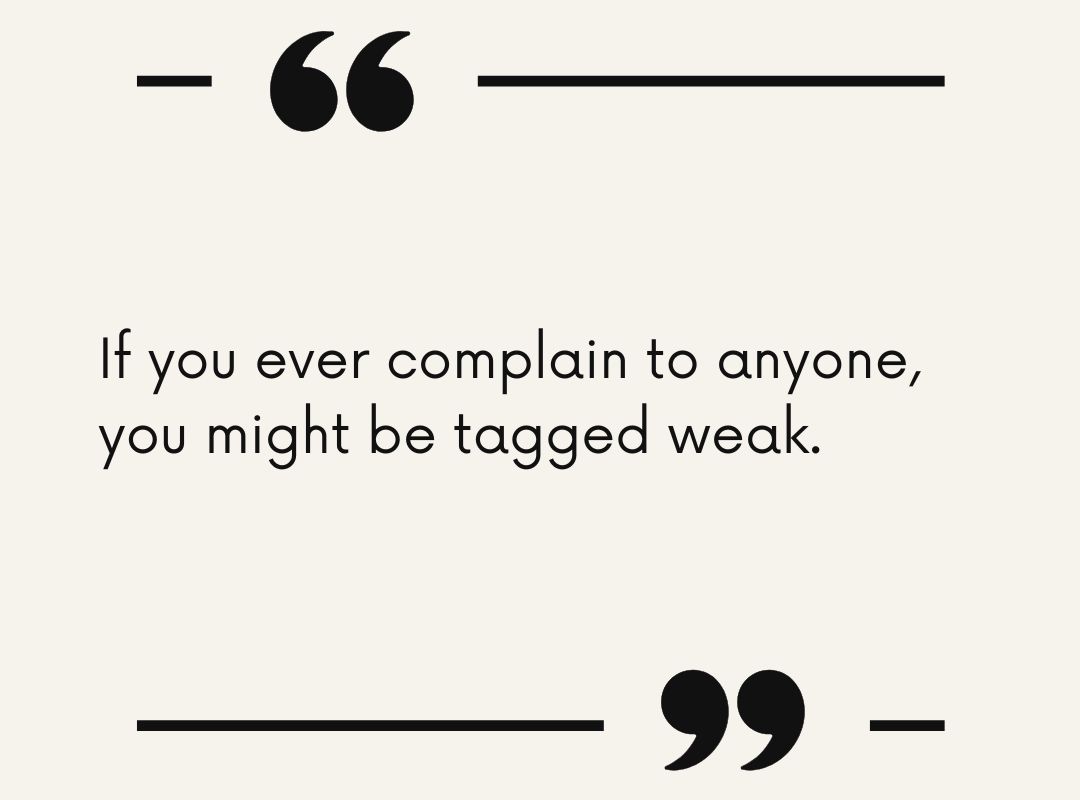
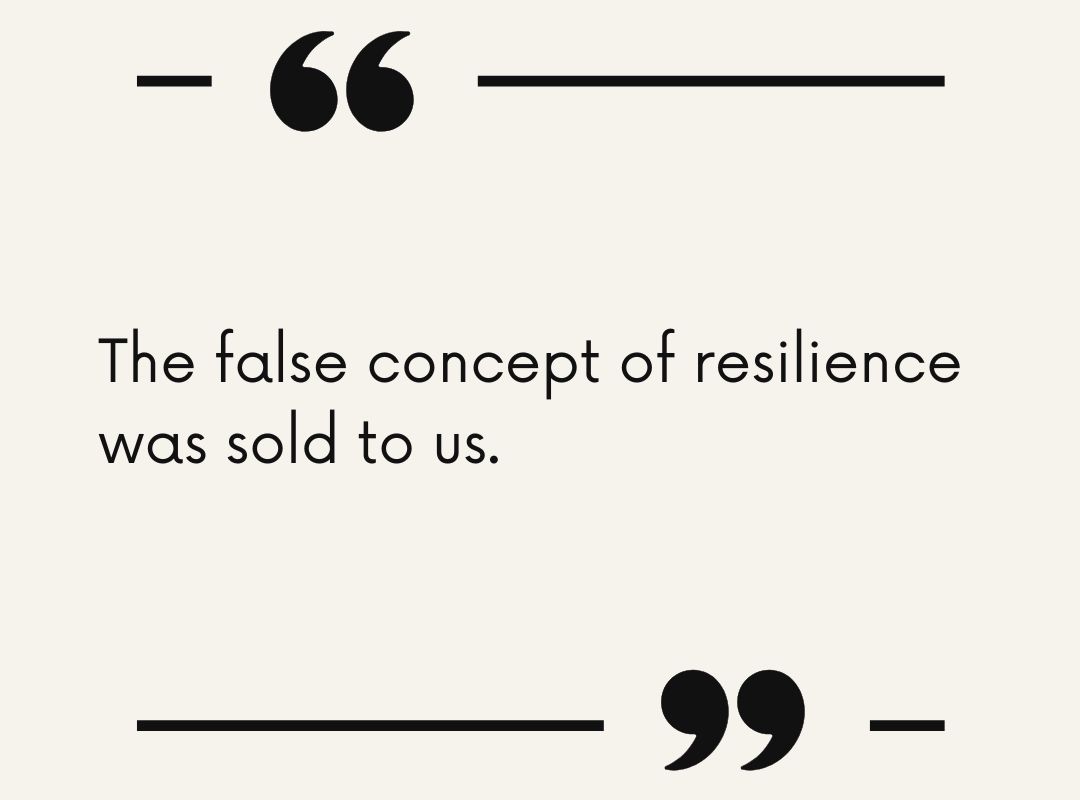
I blame this behaviour on the “Status Quo” mindset. A lot of us were told that this is how things have always been. “If you can't beat them, join them.” No one thought to question the system; we simply decided to fit in. The false concept of resilience was sold to us. People felt they needed to cope with and manage the situation to prove their strength. If you complained to anyone, you might be labelled weak. You're told to fight, play the game, and believe that you're building resilience, even when the situation is hurting you.
People also normalise harm because of the fear of the unknown and job insecurity. They believe that what they know is better than what they don't, so they would rather stay and get used to it, especially when everyone seems to be experiencing their fair share of difficulties.
Q4. Bullying at work isn't always obvious. Sometimes it looks like being constantly interrupted, left out, embarrassed in front of others, having your work taken away from you, or being made to feel incompetent. Which forms of bullying or everyday disrespect do you think people most often fail to recognise?
Bullying at work is not always loud or obvious. It often shows up through power games, subtle threats, and the deliberate withholding of information that people need to do their jobs. These behaviours can be difficult to identify because they are often disguised as normal workplace interactions.
Being excluded from important discussions or having your voice ignored can also be forms of everyday disrespect. When people are repeatedly left out of decisions that affect their work, it can make them feel undervalued and powerless, even when their contributions matter. Constantly provoking someone, directly or indirectly, is another behaviour that often goes unnoticed. Over time, these actions can undermine a person's confidence, make them question their abilities, and create a community where they no longer feel safe to speak up.
Q5. Have you ever found yourself staying quiet because speaking up felt more dangerous than staying silent? What does that silence do to a person's confidence over time?
When speaking up feels more dangerous than staying silent, people often begin battling their own self-esteem. They may start doubting themselves, questioning their ideas, and wondering whether their voice truly matters. What begins as silence to avoid conflict can gradually become a habit of holding back, even when they have something valuable to contribute.
Over time, people may begin to internalise the negativity around them and embrace labels that were imposed on them. They might start seeing themselves as incapable, inadequate, or not good enough. This shift can be deeply damaging because it changes not only how they behave at work, but also how they see themselves and the value they believe they bring.
Q6. You’ve written about workplaces tolerating toxic behaviour because the person causing it is a “top performer.” From a working professional’s point of view, what does it feel like when everyone knows someone’s behaviour is wrong, but nobody wants to challenge them because they bring results?
It feels terrible. It shows that the culture enables bad behaviour, and it is a painful thing to experience. No one seems willing to listen when you report the situation because the person causing the harm is treated as the celebrity of the company. If you try to speak up, you might even face name-calling.
You are constantly reminded that your voice, opinion, or observations mean nothing compared to that person's results. When leaders fail to manage this behaviour, it can create resentment, envy, and a toxic atmosphere. Eventually, you are left with two choices: learn to manage their behaviour or plan your exit to a workplace that respects everyone, regardless of their results.
Q7. You often talk about the difference between what a workplace says and what people actually experience. What is one behaviour that immediately tells you whether a workplace is genuinely respectful or just good at talking about culture?
One behaviour that reveals whether a workplace is genuinely respectful is whether everyone's opinion matters, regardless of how they express it or what position they hold. Respect is not just about listening to people who speak confidently or hold senior titles; it is about ensuring that every voice has the opportunity to be heard and considered.
Another important sign is whether the same rules apply to everyone, regardless of their position or authority. A respectful workplace does not create exceptions for senior leaders while holding others to different standards. Accountability and fairness must be practised consistently across the organisation.
Ultimately, a genuinely respectful workplace is one where people feel psychologically safe to be themselves, make mistakes, and receive corrections in a civil and constructive manner. They can speak up freely, share ideas, and disagree without fear of judgement, humiliation, or punishment. That is when workplace culture becomes something people actually experience, rather than something an organisation simply talks about.
Q8. Suppose someone reading this is currently in a toxic workplace, needs their salary, and cannot simply resign tomorrow. What would you tell them to do from Monday morning?
Money is 100% important. You can't just opt out and leave, so I would say find ways to guard and protect your emotions, especially when you know your triggers. My honest advice is to start planning your exit after asking yourself honest questions and recognising when the situation is beyond redeemable.
You have to face your fears and think about your next move. Is applying for another job the solution? Is getting that certificate or upskilling the best move? Is taking the bold step of starting that business a smart move? Or is building your personal brand and positioning yourself for better opportunities the smartest move? These are questions and realities you'll be faced with.
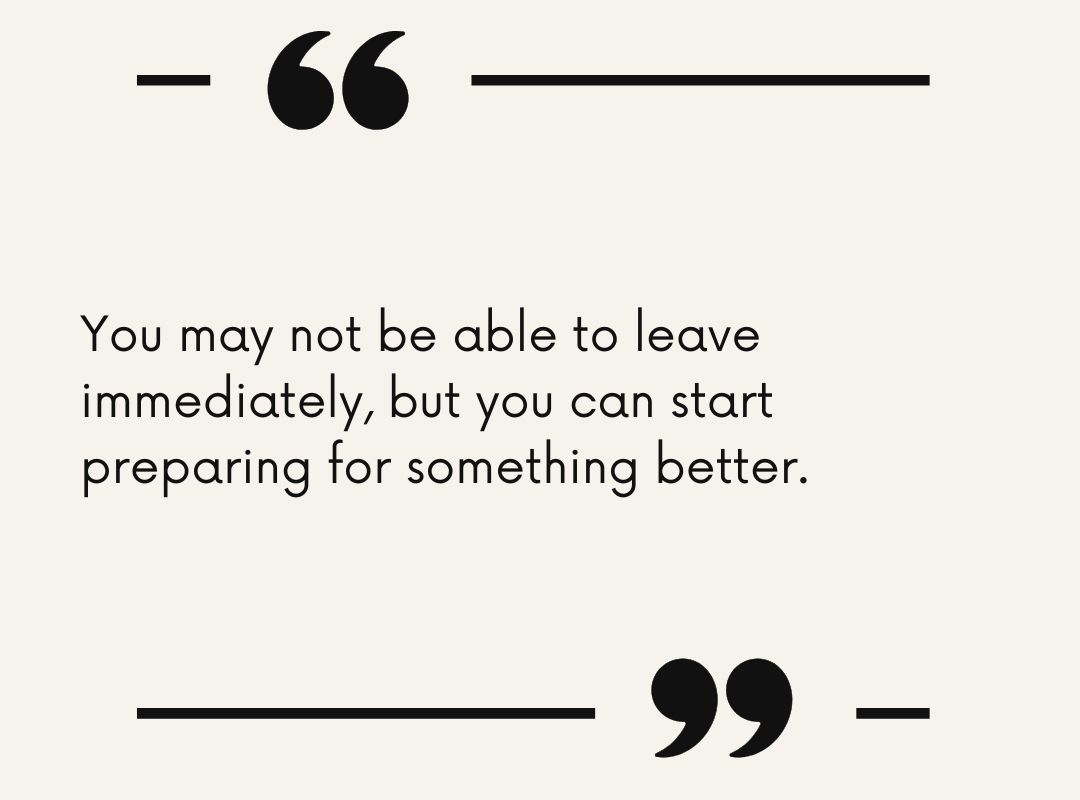
You can't keep complaining and do nothing. You either stay and be trapped or take the necessary action to truly change your job or career situation. You may not be able to leave immediately, but you can start preparing for something better. Just ACT! Don't wish only.
Q9. What happens to a person after spending too long in an environment where they are constantly criticised, dismissed, intimidated or made to doubt themselves? And how can they begin rebuilding the confidence they may have lost?
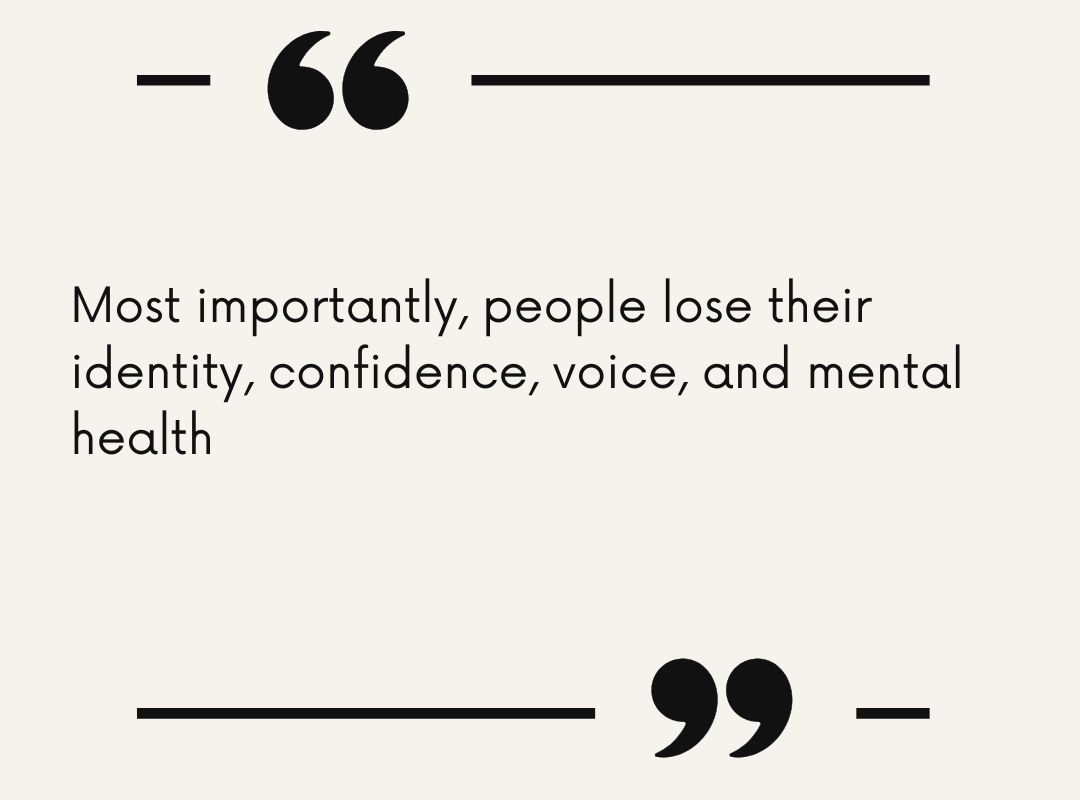
A lot can happen. Most importantly, people lose their identity, confidence, voice, and mental health. They lose their power and fire to chase anything, especially their purpose in life. Eventually, settling becomes their ONLY option because they begin to believe they are incapable of achieving anything better.
They can rebuild their confidence by first admitting that they have lost something and need help reconnecting with their inner self. Be bold enough to speak out about the situation and actually seek help from the right support system. Practise detoxing the negative words people have spoken into you by speaking positive words to yourself. Believe in yourself above all else. It's what you say to yourself that counts, not what others say to you. Your words carry weight more than you think.
Q10. Thinking about your own journey, what is one thing you wish someone had told you when you were going through that difficult period at work?
I wish someone had told me that there are so many possibilities out there. The limitations and fear of the unknown exist only in my mind, and I have the power to create my own path. I can position myself and attract opportunities.
I don't have to settle for mediocrity or job abuse. I have all it takes to be and do MORE. I just need to recognise my potential and believe in the possibilities that lie beyond my current circumstances.
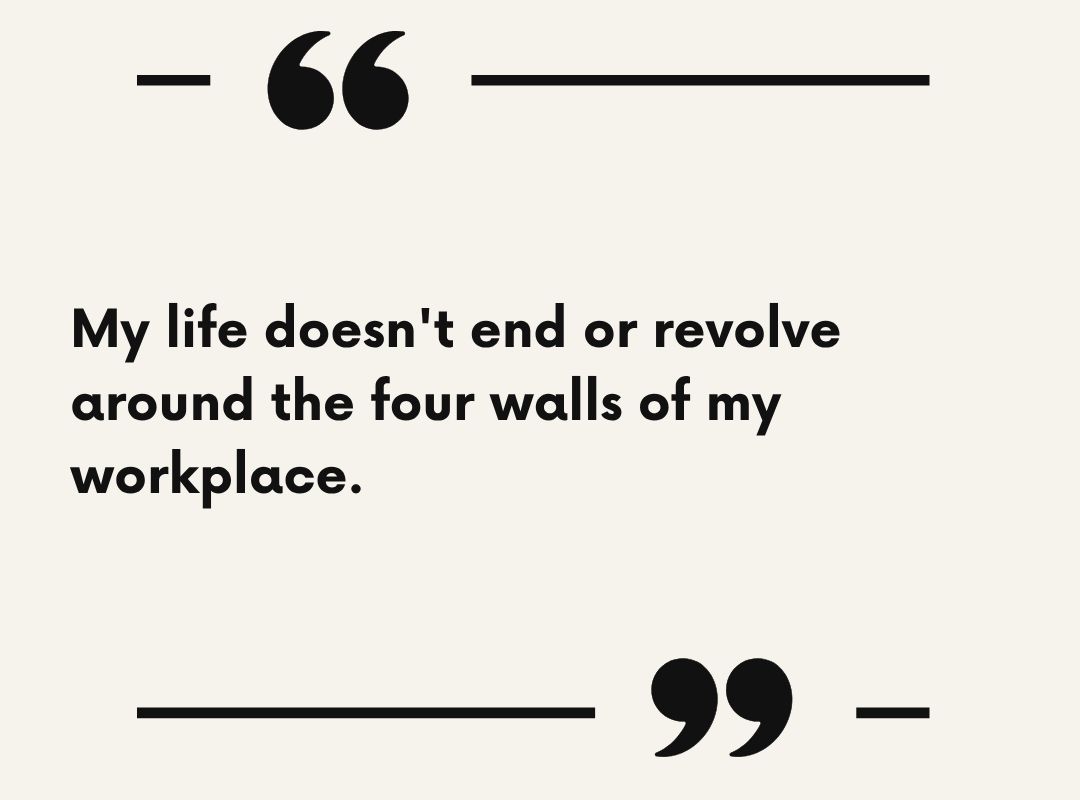
Lastly, my life doesn't end or revolve around the four walls of my workplace. I can SOAR, build a SOLID personal brand online through LinkedIn, and create a global brand from the comfort of my home.
About Beatrice Okemute :
Beatrice Okemute is a Zero-Toxic Workplace Coach, workplace mental health and wellness advocate, and personal brand strategist. A member of the Forbes BLK community, she brings over six years of experience in sales,marketing, and customer-facing roles.
As the founder of Zero-Toxic Work Community (ZTWC Global Concept), established in 2023, Beatrice advocates for healthier workplace cultures, psychological safety, and employee well-being. She supports professionals navigating toxic work environments through mentorship, career guidance, and personal branding.
In 2025, she and her team launched Healing Voices, a tele-mental health initiative offering free counselling to employees and individuals affected by toxic workplaces. Drawing from her own experience as a toxic job survivor, Beatrice uses her platform to help others rebuild career confidence and create healthier professional lives.
.jpg)

%20(1).png)

.png)