



A British employment tribunal has ruled that Holiday Extras, a UK travel ancillary company, discriminated against one of its remote workers by failing to accommodate her anxiety — a condition the tribunal treated as a legally protected disability.
Laura Tait, a travel consultant who joined Holiday Extras in June 2021, told management as early as April 2022 that work-related stress had contributed to absences linked to anxiety. She requested two adjustments: the ability to join meetings with her camera off and fewer customer voice calls during the workday. The company did not make those changes in a sufficiently timely manner.
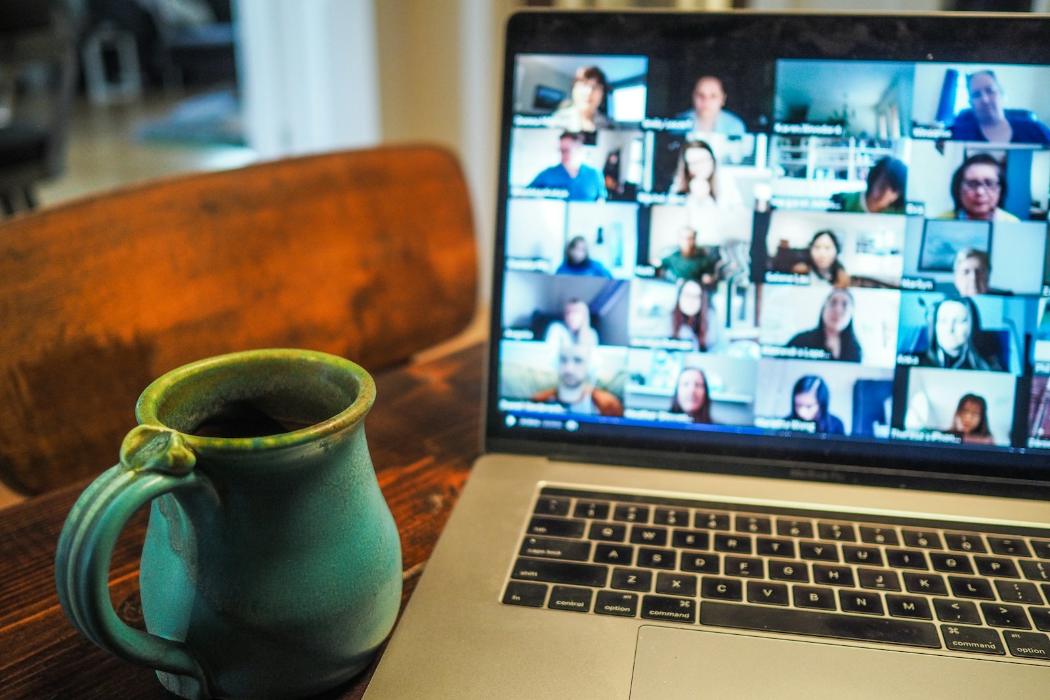
The case reached a flashpoint in August 2023, during a remote training session, when Tait was asked to turn her camera on despite telling the trainer she felt "super anxious." She logged off. By October 2023, she had been granted sick leave for extreme stress and has not returned to work since. In April 2024, she filed a disability discrimination complaint.
The South London tribunal found in Tait's favour, ruling that Holiday Extras had failed to provide "reasonable adjustments" as required under UK disability law. Tait was awarded compensation, though the final amount has not been confirmed.
The verdict draws attention to a tension that many employers and remote workers navigate daily: the use of cameras on video calls as a proxy for presence and engagement, and what happens when a blanket camera-on policy collides with an employee's medical needs.
The question is particularly live in India, where remote and hybrid work has grown sharply since the pandemic. Around 12.7% of full-time Indian employees work fully remote and 28.2% work in hybrid arrangements. NASSCOM has reported that nearly 70% of organisations in India's tech industry have adopted a hybrid work model, making video-call etiquette and surveillance norms a routine management issue — not a fringe one. India does not yet have a direct equivalent of the UK's reasonable-adjustments framework for remote-work settings, but the case may add weight to conversations about mental health accommodations in distributed workplaces.