




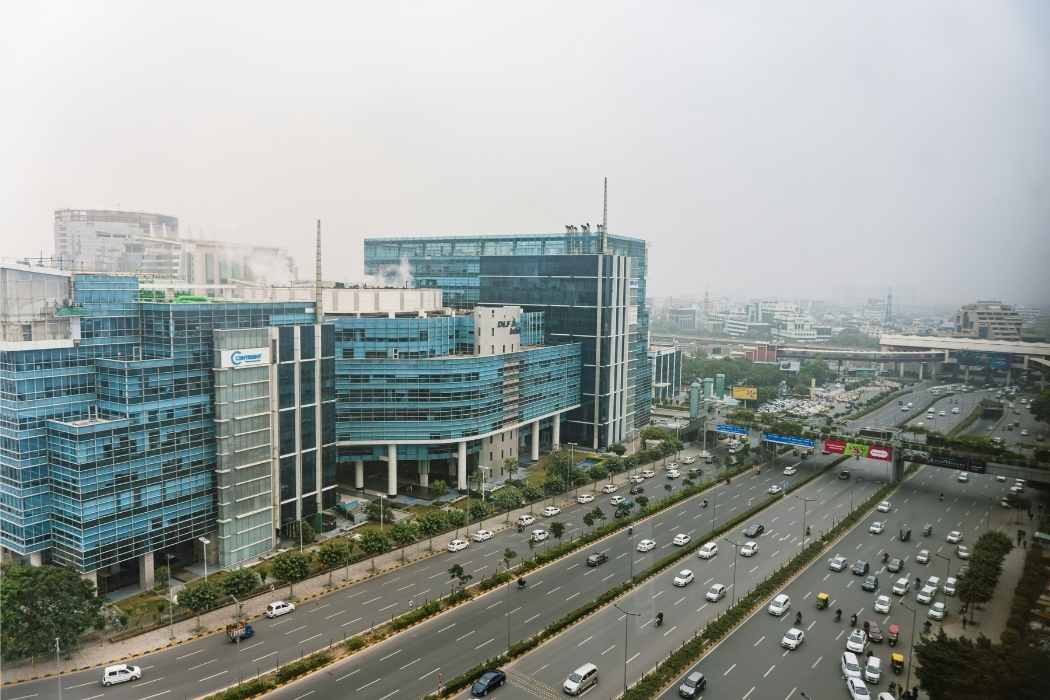
Skyrocketing office rents and land costs in cities such as Mumbai and Bengaluru are driving companies to set up operations in tier-II cities including Jaipur, Ahmedabad, and Coimbatore, and investors are following. Commercial real estate yields in these emerging hubs can reach 9–11% annually, compared with 5–6% in the country's saturated metro office markets.
The shift is not purely financial. Hybrid and remote-friendly work cultures maintained by many organisations now allow professionals to base themselves in smaller cities and travel to metro offices periodically, rather than relocate. Tier-II cities offer less traffic congestion, lower pollution levels, more open spaces, and closer-knit communities; factors that are proving attractive to families and professionals seeking a more fulfilling life alongside their careers.
For companies, the calculus is straightforward. Lower rentals, access to skilled local talent, and reduced operating costs all improve the bottom line. Developers are responding by constructing Grade-A business parks, commercial hubs, and co-working spaces in cities such as Indore, Lucknow, and Coimbatore, complete with modern amenities.
Retail investors now have more ways to access these markets. Fractional ownership platforms regulated by SEBI under the SM REIT framework let investors co-own Grade-A commercial assets at significantly lower entry points than direct purchase. Listed REITs also provide an avenue, with some beginning to grow their exposure to smaller city office assets.
The liquidity and regulatory risks in tier-II markets are real, however. Land title verification, lower secondary-market depth, and the importance of checking occupancy rates and lease tenure before committing capital are all considerations that analysts flag for prospective investors.
For working professionals, the broader trend matters beyond investment returns. A growing number of employers' willingness to support distributed work means that choosing to live in a tier-II city; closer to family, with lower housing costs and a quieter pace, may no longer necessarily come at the cost of career opportunity.