




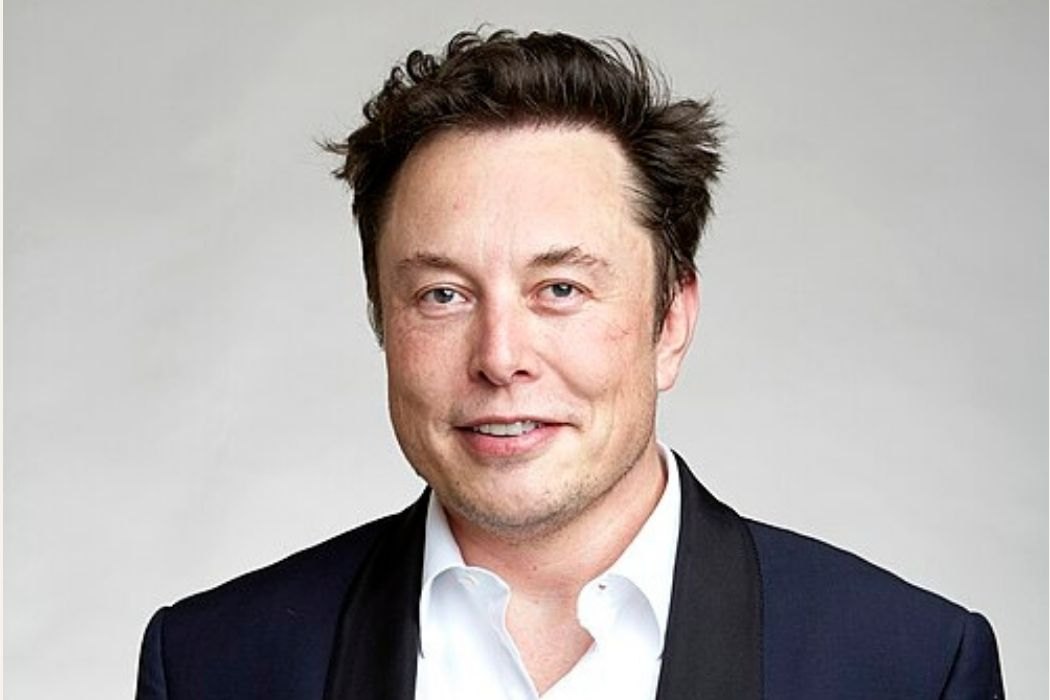
Musk has argued that money derives its value from access to goods and services, and that if AI systems and robots eventually produce more goods and services than people could ever consume, the need for money would diminish.
Musk made the prediction during an extended interview recorded at the Texas Gigafactory and published in late July 2026 as part of the outlet's Insider series. He went on to predict that deflation, rather than inflation, could emerge as the bigger economic challenge if the production of goods and services grows faster than the money supply.
During the conversation, Beddoes questioned how governments and societies would navigate such a transition, pointing to concerns over widespread job displacement, rising inequality and political instability, and asking whether measures such as large-scale redistribution, higher taxes on capital or universal basic income would become necessary.
In response, Musk suggested that governments could directly provide financial support, saying the Treasury could issue payments to people. Asked his opinion on how people will live after losing their jobs to AI in ten years, Musk replied: "Universal high income."
Musk's comments about money losing relevance by 2036 have drawn both interest and scepticism from economists and commentators, many of whom note the significant gap between Musk's sweeping predictions about AI-driven abundance and the practical, near-term financial realities facing his own companies.
If Musk is right even partially, it points toward falling prices for goods and services tied to automated production, growing pressure on governments to fund large-scale income transfers, and a shift in where scarcity and value concentrate toward energy, land and attention rather than manufactured goods.