


From a business perspective, the rationale is clear. After a period of rapid scaling, restructuring, and sharper scrutiny on costs, Zomato appears to be prioritising operational stability. Leadership layers are expensive, slow to integrate, and often disruptive during periods of recalibration. Slowing senior hiring allows the organisation to stabilise decision-making and reduce coordination overhead.
For existing senior leaders, this shift changes the nature of their roles. With fewer peers being added, remits widen. Decision ownership expands. Accountability deepens. While this can increase influence, it also increases pressure. Leadership roles become heavier, with less room for specialisation.
The impact is felt even more strongly one level below. Mid-level managers and high-potential employees often see senior hiring as a signal of opportunity—new leaders create new teams, new reporting lines, and new pathways upward. When senior hiring slows, those pathways narrow. Promotions become more competitive. Internal mobility slows. Career progression begins to feel less predictable.
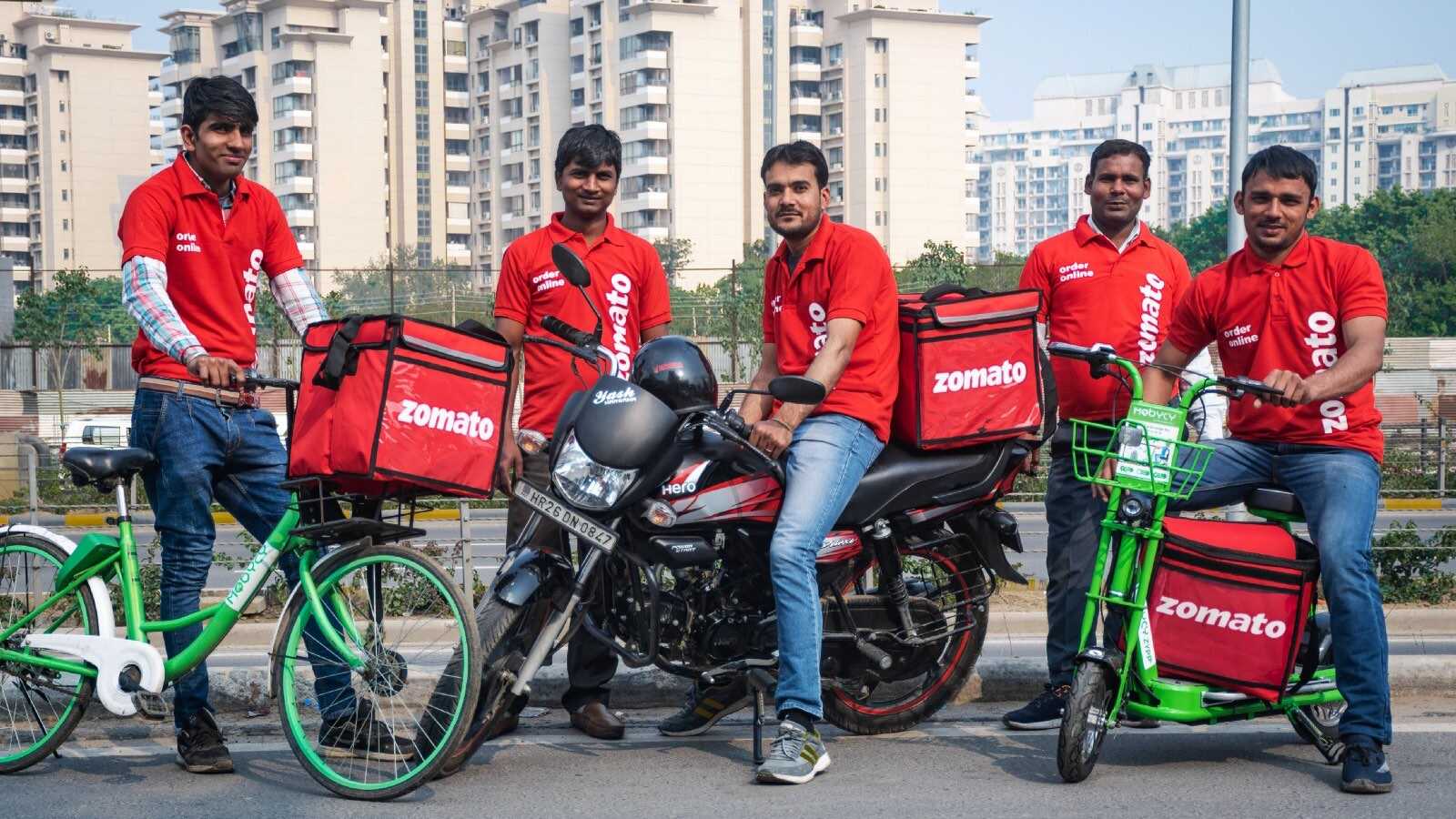
Operational and frontline hiring continuing in parallel adds another layer of complexity. On one hand, it reassures employees that the business remains active and focused on delivery. On the other, it reinforces a hierarchy of priorities: execution roles are protected; leadership expansion is discretionary.
This asymmetry affects morale in different ways across the organisation. Frontline teams may experience relative stability, even growth. Corporate and managerial functions, however, face a quieter form of stagnation—roles remain, workloads increase, but upward movement slows.
Zomato’s approach also reflects a broader pattern emerging across Indian startups and consumer tech companies. After years of leadership-heavy scaling, many organisations are reassessing how much hierarchy they actually need. The emphasis is shifting toward leaner leadership structures with fewer layers and clearer accountability.
For employees, the long-term question is sustainability. Wider leadership remits can drive efficiency in the short term, but over time they risk burnout and bottlenecks if not supported adequately. Similarly, limited senior hiring can conserve resources, but it may also constrain internal growth if employees begin to feel that advancement is structurally capped.
What remains unclear is whether this slowdown is a temporary pause or a longer-term reset of how leadership growth is viewed. For now, the message to employees is implicit rather than explicit: stability and execution matter more than expansion and titles.