


The split that was already happening
Long before Modi's nudge, India's corporate landscape was dividing into two distinct cultural models and the middle ground between them was shrinking fast.
High-trust organisations operate on autonomy, flexibility, and outcomes. They assume employees want to do good work. Policies are light, communication is open, and accountability is mutual. These organisations invest in clarity rather than control and treat the question of where work happens as largely irrelevant to whether it gets done well.
High-control organisations move in the opposite direction. Surveillance tools, rigid return-to-office mandates, layered approvals, and productivity monitoring have become increasingly common. These firms prioritise predictability and oversight, often citing alignment and performance as the justification, rarely examining whether the tools they are using are producing either.
Both models exist across startups and large corporates alike. The difference is not size. It is philosophy. And employees across every generation have become extraordinarily good at reading which one they are actually inside, regardless of what the culture deck says.
The cynicism that lives in the middle
The most dangerous place in this split is not the high-trust camp or the high-control camp. It is the organisation that claims to be one while operating as the other.
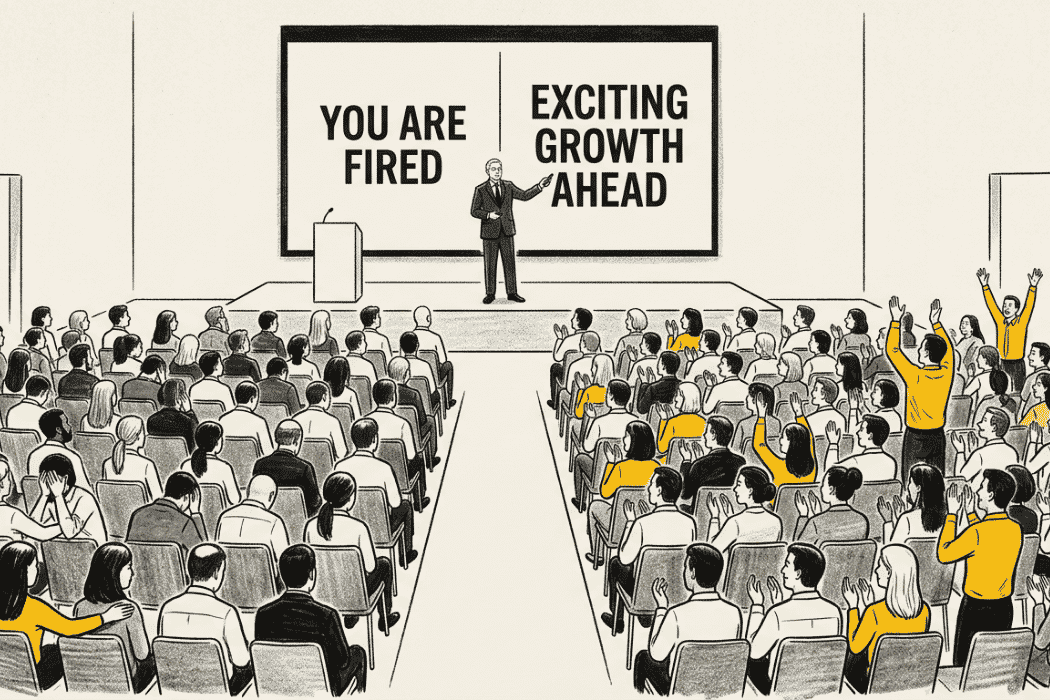
Organisations that talk trust but enforce control that announce flexibility in the town hall and track badge swipes in the background, do not produce neutral outcomes. They produce cynicism. Employees disengage not because rules exist, but because the gap between what is said and what is done signals something they cannot unhear: that the organisation does not mean what it says about its people.
Modi's WFH nudge has placed this tension directly in front of every Indian corporate leader. The organisations that respond by genuinely extending flexibility are making a statement about their cultural philosophy. The ones that comply minimally are making a different statement. Both will be noticed.
What the talent market will do with this?
As hybrid work normalises and the WFH conversation re-enters the mainstream, professionals will increasingly self-select based on cultural fit rather than compensation alone.
High-trust cultures will attract experienced professionals who value independence and have the track record to demonstrate they do not need to be watched to produce. High-control cultures will retain those who prefer structure or those who have not yet found an alternative.
The organisations that win the next decade of talent are unlikely to be those with the best perks. They will be those with the clearest, most consistent stance on how they treat people, and the institutional courage to hold that stance even when a geopolitical crisis, a quarterly miss, or a new leadership team creates pressure to tighten the reins.
The signal in the noise
PM Modi's recommendation was about fuel. But the conversation it has reopened is about something far more consequential for India's professional landscape, what kind of workplaces Indian organisations are actually building, and whether the people inside them trust what they are being told.
That question was unresolved before the West Asia crisis. It remains unresolved now.
The fuel prices will stabilise. The cultural split will not.
.jpg)
%20(1).png)

.png)