


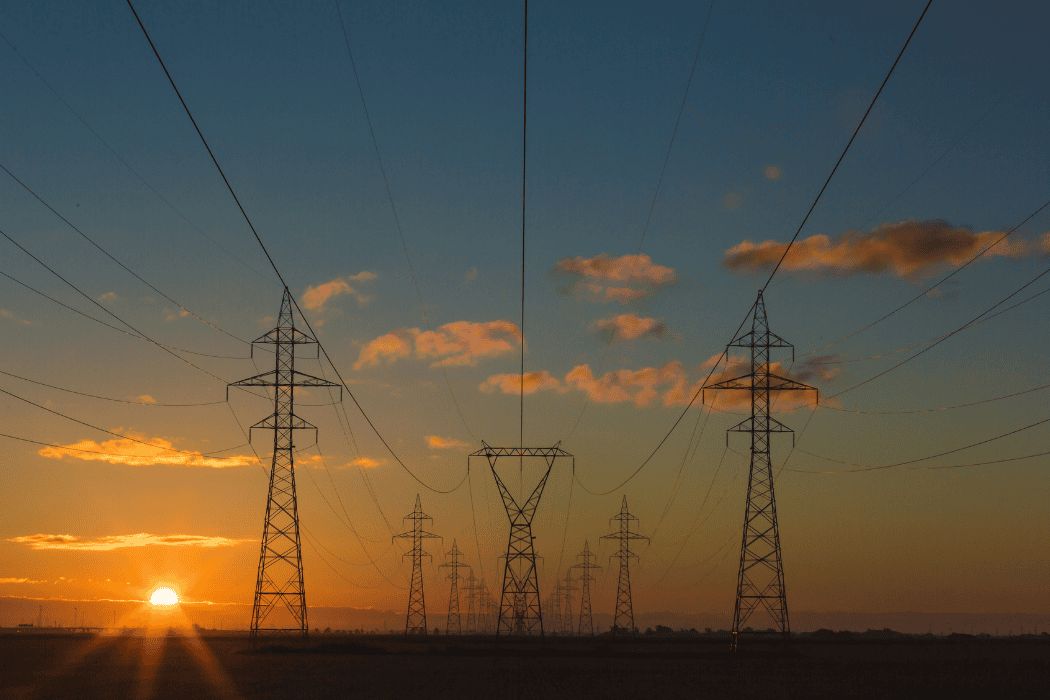
For readers who may not follow the power sector closely, POWERGRID is not just another PSU. It is India’s largest electric power transmission utility, operating around 1,84,960 circuit kilometres of transmission lines and 291 substations, and wheeling about 50 percent of the country’s total power through its network. In simple terms, this is one of the companies that helps move electricity across states and keeps the national grid functioning at scale.
That is what makes this hiring worth noticing. In a job market where so much public attention still swings toward software, startups, and AI-led anxiety, POWERGRID’s recruitment points to a different part of the economy: less glamorous, perhaps, but deeply essential and still expanding.
A hiring signal that says more than it seems
This is not a small recruitment round. The detailed advertisement lists 630 vacancies plus 8 backlog posts for POWERGRID, along with 30 positions for CTUIL. The roles span diploma trainees in electrical, civil, and survey work, junior officer trainees in HR and finance, and junior technician trainee positions.
On paper, it is a standard hiring notice. But in context, it feels more revealing than that.
For years, India’s employment conversation has been shaped by one dominant frame: tech as the centre of ambition, growth, and opportunity. That has made it easy to miss what is happening elsewhere. Infrastructure-heavy sectors do not usually dominate career chatter, but they often reveal something more fundamental about where the country is placing long-term bets.
POWERGRID’s hiring is one such signal.
India’s growth story is physical too
It is tempting to describe India’s future only in digital terms: AI, cloud, platforms, data, software, startups. That story is real. But it is incomplete.
India is also building the physical backbone required to support that digital future. In its recruitment advertisement, POWERGRID says the National Electricity Plan envisions capital investment of ₹9.16 lakh crore in transmission infrastructure by 2032, with POWERGRID’s own estimated outlay at ₹3.06 lakh crore. The company says this pipeline includes interstate transmission, intra-state transmission, cross-border interconnections, solar generation, smart metering, and even data centre business.
That last part matters more than it may seem.
According to a March 2026 PIB release, India’s total data centre capacity has increased from about 375 MW in 2020 to around 1,500 MW by 2025. Another official update said electricity demand from data centres is estimated to reach 13.56 GW by 2031–32. The message is hard to miss: even the country’s digital ambitions are becoming more power-intensive, more infrastructure-heavy, and more dependent on systems that sit far outside the glamour of app culture.
Careers that don’t trend online matter too
These are not jobs built on startup hype. They are rooted in engineering, fieldwork, operations, finance, planning, and the day-to-day work of keeping critical infrastructure running. That points to a different kind of career path — one tied less to buzz and more to systems the country depends on.
For young professionals, especially outside the usual IT pipeline, that matters. POWERGRID’s hiring is a reminder that meaningful careers still exist in sectors that may not trend online but remain central to India’s growth. Electrical engineers, technicians, survey teams, finance staff, HR professionals, and operations workers all play a role in building and maintaining the country’s backbone.
There is a cultural blind spot here. We often treat software as a symbol of modern ambition, while infrastructure fades into the background. But as India urbanises, electrifies, and expands its digital and renewable economy, that background becomes even more important. We notice the grid when it fails. We talk far less about the people who keep it working.
Beyond the AI saga
None of this means tech no longer matters. It does. But it does mean India’s jobs story is broader than the familiar software script.
POWERGRID’s recruitment points to another kind of opportunity — work tied to systems, institutions, and assets the country cannot function without. It may not have startup swagger, but it offers something many workers now value more seriously: durability.
That may be the larger point. In uncertain times, essential sectors can start to look less like the old economy and more like the steady one. POWERGRID’s hiring is worth reading in that light. It is not just a recruitment notice. It is a reminder that India’s next jobs story may come not only from code, but from the people who keep the country powered.
How to apply
Candidates can apply through POWERGRID’s careers section under Recruitment of Non-Executive Posts 2026. The current application window is open until May 11, 2026.
--Ends--


.jpg)