





This approach creates a layered reality. At an organisational level, flexibility remains intact. At a team level, it becomes conditional. Much depends on the manager’s interpretation, project pressure, and client expectations. Two employees with identical roles can face very different attendance norms depending on who they report to.
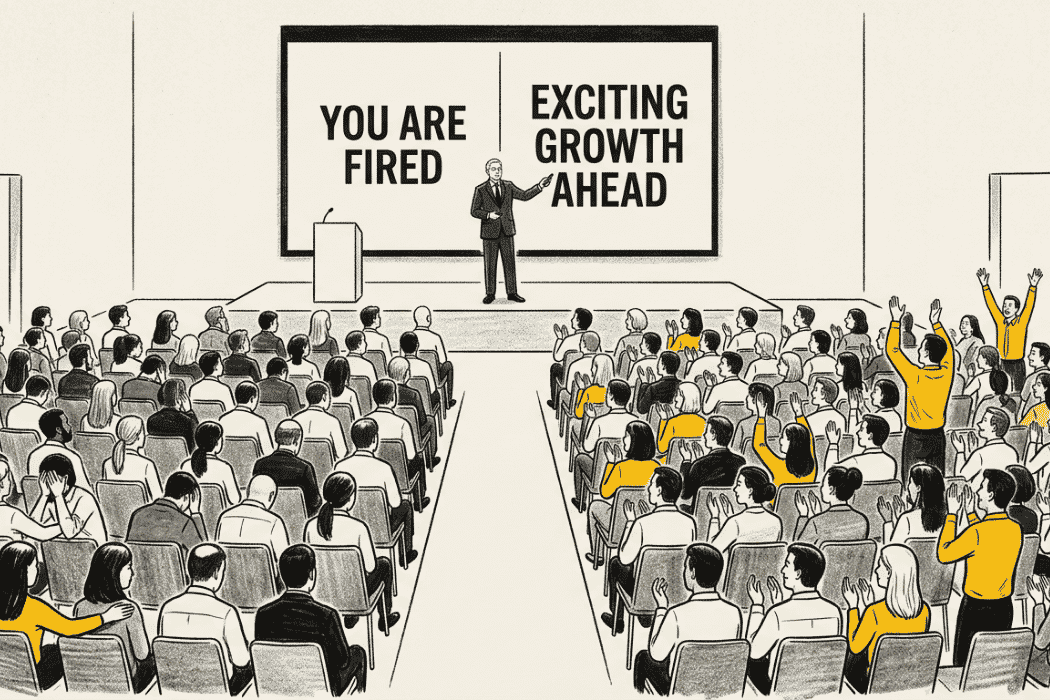
For the organisation, this model offers discretion. It avoids reopening a polarising debate, preserves public positioning, and allows leadership to adapt expectations quietly. For employees, however, ambiguity replaces clarity. Flexibility feels negotiated rather than assured.
The shift also changes how power is exercised. Decisions about presence move closer to individual managers, increasing their influence over daily work life. For some teams, this works smoothly. For others, it introduces inconsistency and quiet resentment.
What remains unresolved is sustainability. Informal enforcement can be effective in the short term, but over time it risks uneven application and erosion of trust—particularly among high-performing professionals who value autonomy but resist opaque rules.
.jpg)


%20(1).png)

.png)