


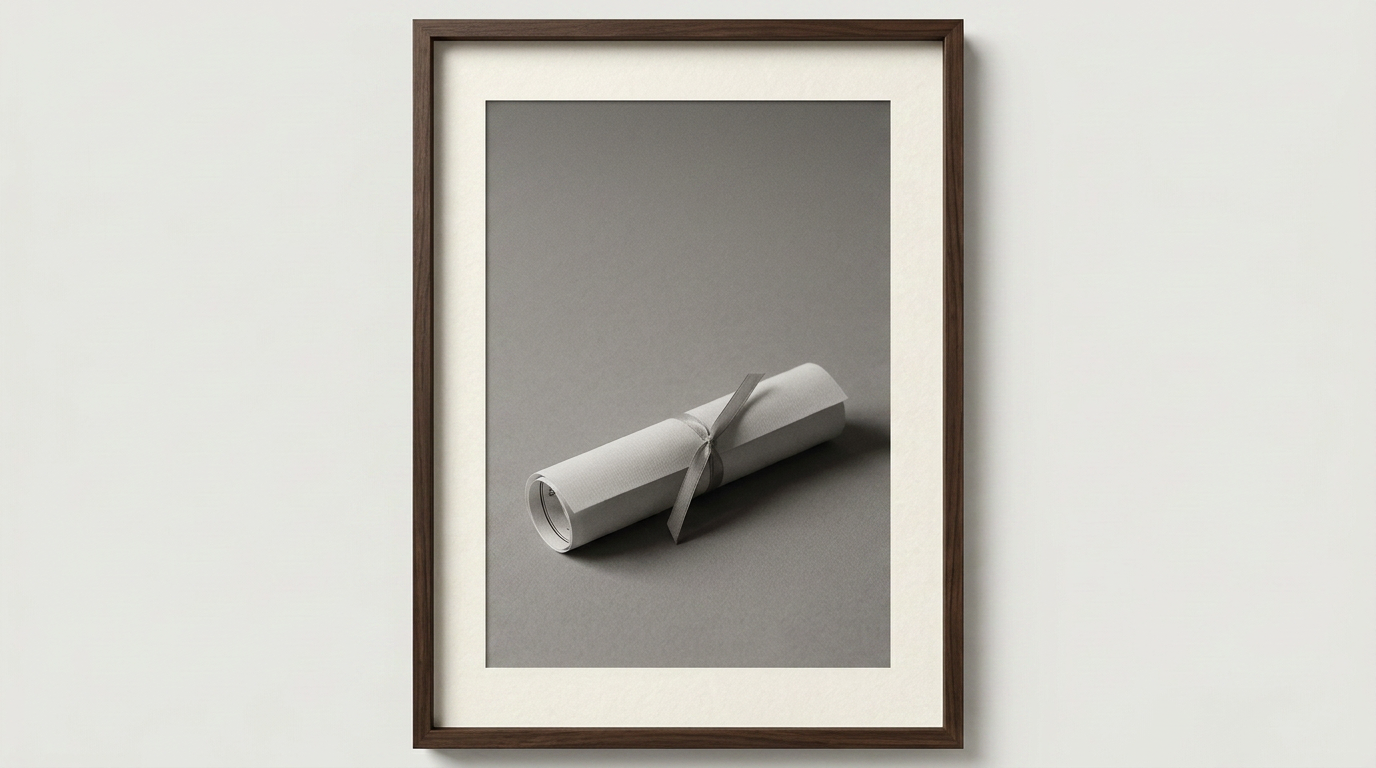
This shift is cultural as much as financial. Employees entering startups are noticing fewer perks, flatter growth promises, and clearer performance expectations. The romance of startup life—rapid promotions, inflated titles, chaotic energy—is giving way to something more sober.
Interestingly, this new model may produce healthier organisations. Survival-driven startups are building real businesses, not just stories. They are less dependent on external validation and more grounded in customer value. For employees, this can mean less volatility, but also fewer shortcuts to seniority.
However, the transition is not painless. Founders trained in the scale-first era must unlearn habits. Teams accustomed to growth narratives must adjust expectations. Culture, once fuelled by optimism, must now be sustained by realism.
This trend also blurs the line between startups and traditional firms. As startups slow down and corporates attempt innovation, both begin borrowing from each other. Startups adopt discipline; corporates adopt agility.
The next generation of successful startups may not look flashy. They may look boring, efficient, and resilient. And in today’s environment, survival itself is a competitive advantage.
.jpg)

%20(1).png)

.png)