




Why not fitting in creates original thinking
When you don’t fit in, you notice things others don’t.
You question defaults because they don’t feel natural toyou.
You see inefficiencies because you’re not invested in defending them.
You connect ideas across domains because you were never fully absorbed intoone.
Psychologists call this constructive nonconformity —the ability to think independently without disengaging entirely.
People who don’t fit in tend to:
- challenge assumptions rather than inherit them
- tolerate ambiguity better
- approach problems sideways instead of linearly
- resist “this is how it’s always been done” thinking
They aren’t necessarily more creative by nature.
They’re creative because they have to be.
Fitting in rewards repetition.
Not fitting in forces invention.
The quiet role of misfits in change
Look closely at how change actually happens — not how it’scelebrated afterward.
Before systems improve, someone notices they don’t makesense.
Before culture shifts, someone feels out of place in it.
Before innovation appears, someone feels friction where others feel comfort.
Not fitting in is often the early signal, not theflaw.
The problem is that organisations rarely know what to dowith that signal in real time. So it gets softened, sidelined, ormisunderstood.
And that’s where the side effects begin.
The cost of not fitting in
Not fitting in isn’t romantic when you’re living it.
It can feel like:
- being chronically misunderstood
- having to explain yourself more than others
- being labelled “intense,” “negative,” or “not aligned”
- second-guessing whether the discomfort is insight or ego
Social psychologists have long noted that humans are wiredto seek belonging. Prolonged exclusion — even subtle — activates stressresponses. That’s why people who don’t fit in often feel tired in ways thataren’t explained by workload alone.
There’s also a practical cost. Non-conformists may:
- progress more slowly in hierarchical systems
- receive delayed recognition
- feel pressure to self-edit to stay employed
This is where many people abandon themselves — notdramatically, but gradually.
The sweet spot psychologists talk about
Here’s where the nuance matters.
Psychologists don’t suggest that flourishing comes fromrejecting belonging altogether. Nor does it come from total self-acceptancewithout growth.
They point to a sweet spot between:
- accepting who you are, and
- striving toward who you want to become
Too much acceptance without aspiration can turn intostagnation.
Too much striving without acceptance leads to chronic self-rejection.
The healthiest non-conformists tend to:
- accept their core temperament and values
- refine their skills and expression over time
- adapt how they communicate without abandoning what they see
They don’t try to fit in everywhere.
They choose where alignment matters — and where difference is the point.
How to keep going without hardening
One of the risks of not fitting in is becoming brittle.
People either:
- over-accommodate and disappear, or
- over-identify with being “different” and become combative
Neither sustains you.
What helps instead:
1. Separate identity from environment
Not fitting in doesn’t mean something is wrong with you — or with the group.Sometimes it just means you’re early, or elsewhere.
2. Find resonance, not consensus
You don’t need universal agreement. You need one or two places where yourthinking lands without translation.
3. Let skills catch up with insight
Being right isn’t enough. Learning how to articulate, time, and frame yourideas increases their impact without diluting them.
4. Don’t rush belonging
Belonging that requires erasure isn’t belonging. It’s temporary safety.
5. Remember that discomfort is data
Not every feeling of not fitting in is a call to leave — but it is a signalworth examining.
The upside, revisited
Not fitting in doesn’t make you superior.
It makes you useful — when you learn to hold it well.
It sharpens perception.
It keeps systems honest.
It prevents complacency from becoming culture.
Most progress comes from people who were slightly out ofstep — long enough to notice, patient enough to persist, and grounded enough tonot turn bitterness into identity.
You don’t have to turn not fitting in into a personalitytrait.
You don’t have to suffer for it to be meaningful.
Sometimes it’s simply a sign that you’re standing wherechange begins.
And that’s something worth being proud of — quietly,steadily, and without needing to fit in to prove it.
What Organisations Get Wrong About “Fitting In” — And Howto Fix It
Most organisations say they value diversity of thought.
What they often mean is: diversity, as long as it’s quiet.
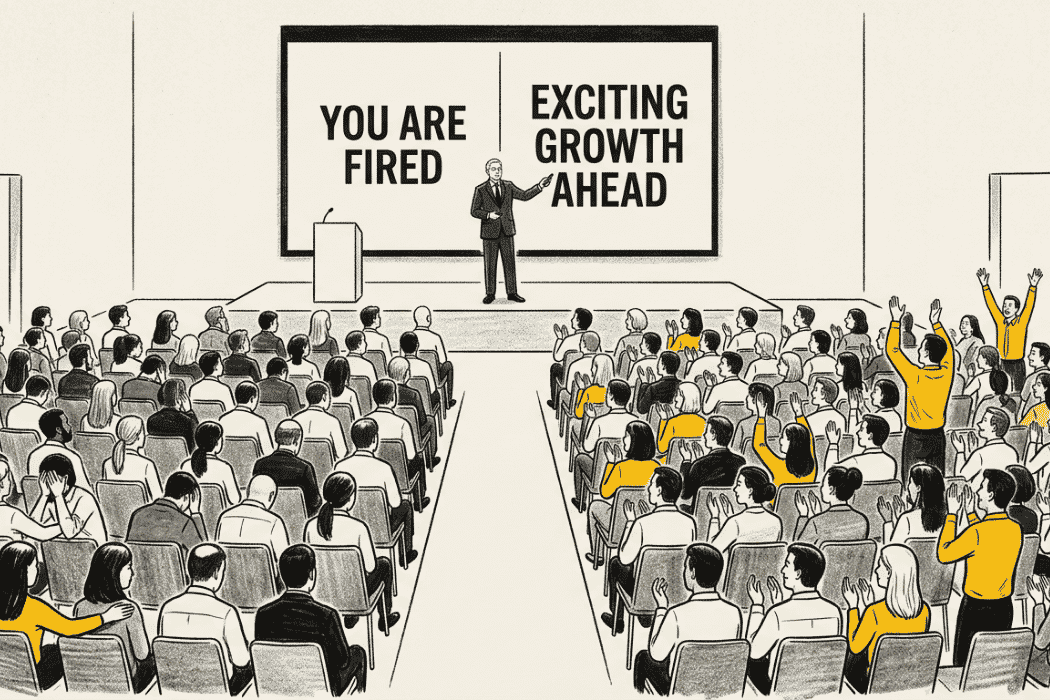
When someone doesn’t fit in, the default response isn’tcuriosity — it’s correction.
Tone policing. Subtle sidelining. “Alignment” conversations that blur intogaslighting.
Over time, misfits are told:
- You’re too much
- You need to read the room
- That’s not how things work here
None of this is alignment.
It’s assimilation by pressure.
The WoCult lens: alignment is not erasure
Healthy cultures don’t ask people to become less themselves.
They ask people to become clearer about how they contribute.
Alignment, done well, answers one question:
How does this person’s difference create value here?
Alignment, done poorly, asks another:
How do we make this person easier to manage?
The first builds culture.
The second drains it.
Why misfits are organisational assets — not risks
Misfits often sit at the fault lines of a system. Theynotice inefficiencies, contradictions, and outdated assumptions earlier thanothers.
They:
- surface uncomfortable truths
- challenge consensus without being invited
- push systems toward relevance
- spot blind spots before they become failures
Organisations don’t lose misfits because they’re difficult.
They lose them because they’re unmanaged in lazy ways.
Constructive ways organisations can work with misfits
1. Replace “culture fit” with “culture contribution”
Instead of asking Do they fit?, ask:
- What do they question?
- Where do they bring tension?
- What problem do they naturally see?
Tension isn’t misalignment.
Unexamined tension is.
2. Make dissent procedural, not personal
When disagreement has no structure, it becomes political.
Create explicit moments where questioning is expected:
- pre-mortems
- red-team reviews
- junior-first discussions
This removes the social risk from speaking up.
3. Stop confusing tone with intent
Misfits are often told how they speak is the problem — without anyoneengaging what they’re saying.
Coach communication, yes.
Dismiss insight because it’s inconvenient? No.
4. Name power dynamics honestly
If a misfit is always “misaligned,” ask who holds the authority to definealignment.
Cultures that pretend power doesn’t exist tend to use it poorly.
5. Protect difference from politics
When misfits have to navigate informal alliances to survive, the culture hasalready failed.
Clarity beats social manoeuvring every time.
What this looks like in practice
In constructive cultures:
- misfits are given ownership, not containment
- feedback is specific, not character-based
- alignment conversations are mutual, not corrective
- people aren’t punished for being early
In toxic ones:
- misfits are slowly isolated
- feedback is vague (“not quite there”)
- politics replace structure
- difference is tolerated until it’s inconvenient
The difference isn’t values.
It’s behaviour.
Truth organisations need to hear
The people who don’t fit in today are often the ones whomake your culture relevant tomorrow.
But only if they’re allowed to stay intact.
Gaslighting someone into silence doesn’t create harmony.
It creates compliance — and eventually, stagnation.
Alignment that costs people their voice isn’t alignment.
It’s control and at times harassment.
The WoCult Close
Cultures don’t grow by sanding people down.
They grow by learning how to hold difference without panic.
Misfits don’t need to be fixed.
They need to be understood, positioned, and protected.
That’s not softness.
That’s long-term intelligence.
.jpg)

%20(1).png)

.png)