




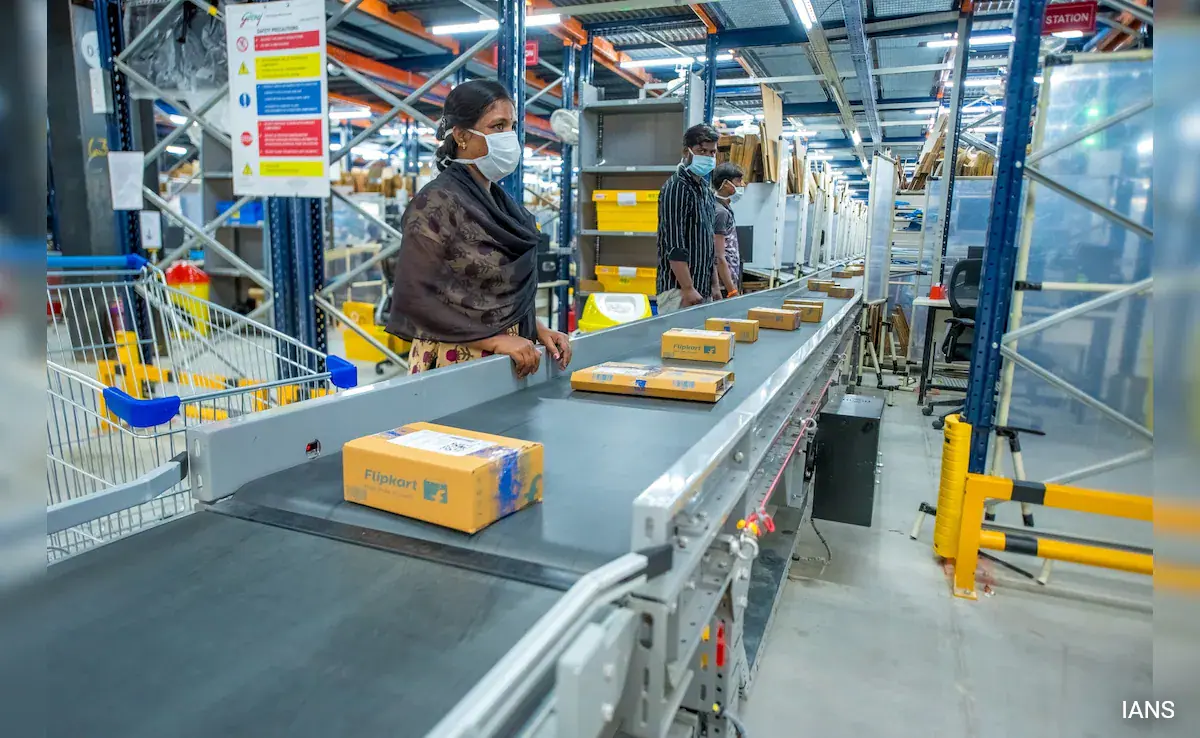
For managers, the role has become more demanding. Accountability has increased, but authority has not always expanded at the same pace. Many describe longer hours, higher cognitive load, and greater exposure to pressure from both leadership and teams.
For employees, access to managers has changed. Feedback cycles can stretch. Informal check-ins become harder to schedule. While hierarchies are flatter on paper, the distance between frontline work and leadership can still feel wide.
From Flipkart’s perspective, the restructure aims to improve speed and reduce duplication in a competitive market. From an employee standpoint, it reshapes daily experience—how decisions are made, how support is accessed, and how visible individual contributions feel.
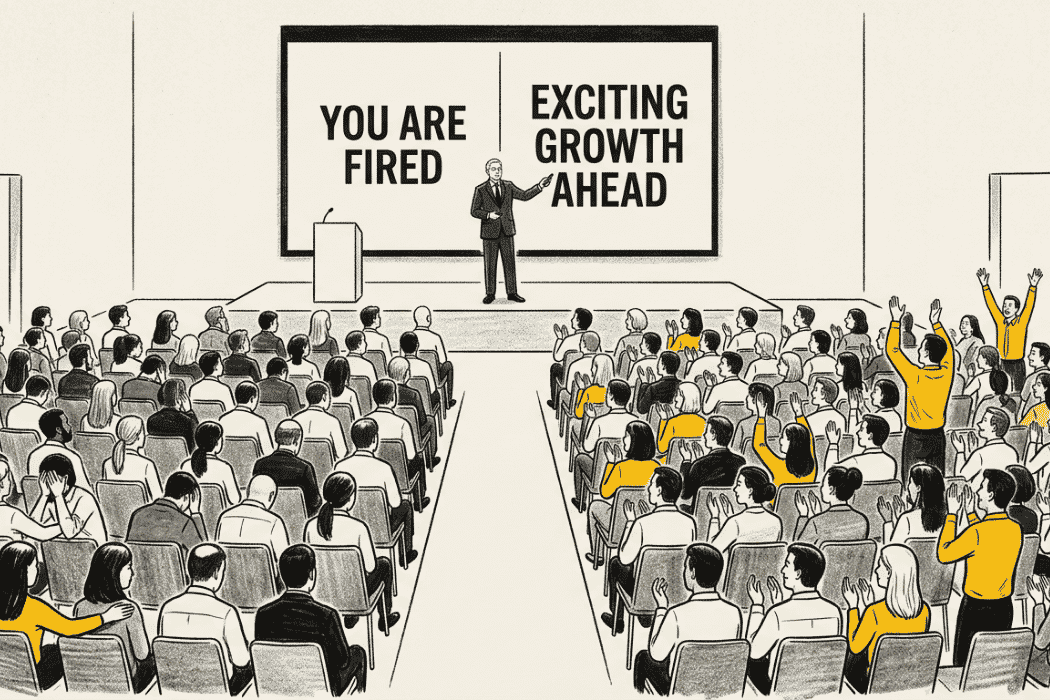
The open question is endurance. Flattened structures promise efficiency, but without adequate support they risk overloading managers and diluting leadership quality. How Flipkart balances span with sustainability will determine whether the new structure stabilises or strains the organisation over time.
.jpg)


%20(1).png)

.png)