




At its core, conscious unbossing captures a generational reassessment of what it means to grow in a career. Data from multiple talent surveys show that a growing number of Gen Z professionals are intentionally avoiding middle-management roles; not because they lack ambition, but because these positions often feel high-stress and low-reward in relation to their personal and professional goals.
A Robert Walters survey found that around 52% of Gen Z professionals said they do not want to pursue traditional middle-management roles at all, with 72% preferring to advance through individual expertise and skill development rather than supervising others. In addition, many younger workers perceive middle management as stressful, bureaucratic and misaligned with their priorities including wellbeing, autonomy, meaningful work and balance.
What conscious unbossing actually means
It’s important to understand that conscious unbossing isn’t about rejecting leadership entirely. Instead, it’s about redefining what leadership looks like and where influence lies in an organisation. Traditional hierarchies often equated career growth with moving upward into managerial roles with managing people, workflows, performance reviews and the endless balancing act that comes with supervision. For many Gen Z workers, these factors feel disconnected from the type of impact they want to make in their careers.
In contrast, conscious unbossing emphasises:
- Autonomy over authority
- Expertise and contribution over title
- Collaboration over control
- Meaningful work over hierarchical status
- Trust over instruction
Instead of seeing success as climbing “the ladder,” many young professionals choose lateral growth, skill depth, project leadership, and domain mastery of the roles that offer influence without direct responsibility for managing people.
Why this matters — and what it signals
To older generations, middle management once served as the glue that held organisational operations together — the bridge between executives and execution. But workplaces, the nature of careers and employee expectations have changed. Not surprisingly, younger workers are asking different questions about what leadership feels like rather than what it looks like on paper.
This trend isn’t just about Gen Z thriftiness or anti-authority sentiment. It reflects deeper shifts:
- A stronger desire for well-being and work-life integration
- Greater emphasis on purpose and personal growth
- Growing scepticism about bureaucracy, politics and stress associated with managerial layers
- Valuing impact without hierarchical burden
In other words: conscious unbossing represents a shift from leading up to leading across where influence spreads through expertise and collaboration rather than chains of command.
What organisations need to think about
This trend presents both a challenge and an opportunity.
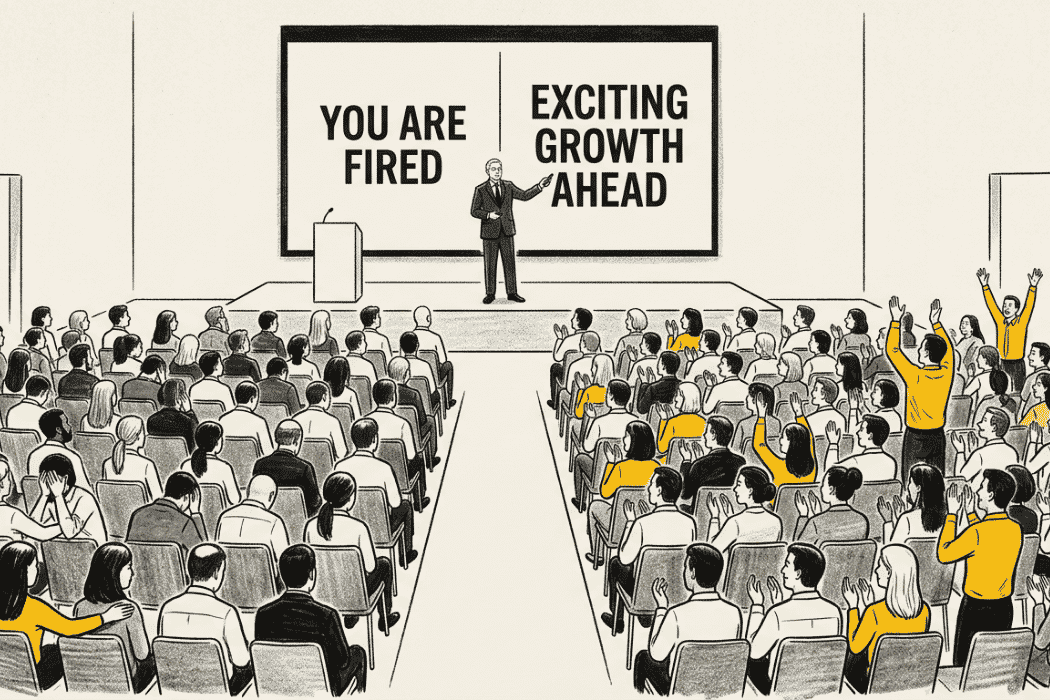
If organisations cling to traditional leadership pipelines, there is a risk of talent gaps in supervisory levels as younger professionals bypass management roles. But conscious unbossing doesn’t mean leadership disappears rather it means leadership evolves.
Companies that succeed in this new era are those that:
- Decentralise decision-making and empower individuals
- Redefine career development beyond titles
- Train leaders as coaches, not commanders
- Create pathways for influence that don’t require managing people
- Embed purpose, autonomy and psychological safety into organisational norms
In essence, organisations that embrace conscious unbossing don’t just accommodate a trend but they build workplaces where people are trusted more and bossed less.
Key Trends
📌 52% of Gen Z professionals say they do not want to pursue traditional middle-management roles
(Source: Robert Walters survey)
📌 72% prefer to advance through expertise and skill development rather than managing people
(Source: Robert Walters survey)
📌 Middle management is increasingly seen as high-stress / low-reward by younger talent
(Source: Forbes analysis)
📌 Organisations still measure leadership by title — yet influence is shifting sideways, not upward
(Source: Forbes + HR Exchange Network insights)
📌 Traditional leadership pipelines risk talent gaps as newer generations redefine success away from linear hierarchy
A WOCULT Perspective
Conscious unbossing is not anti-leadership. It’s pro-human leadership. It’s a reminder that leadership isn’t a position you inherit but it’s the conditions you create so others can do their best work. If workplaces want to stay relevant to the next decade of talent, they must stop measuring leadership by title and start measuring it by empowerment, influence, trust and growth. Gen Z isn’t rejecting leadership, they’re rejecting leadership that doesn’t lead with humanity.
--Ends--
.jpg)

%20(1).png)

.png)