


Q. Gen Z is often described as a generation that's quick to move on. Is that impatience, or simply a shift in expectations around work?
It's neither impatience nor some new fragility. It's self-respect and I say that as someone who lived the exact opposite of moving on quickly. I spent an entire year preparing for JEE, and then, at the very last minute, decided not to sit the exam and to pivot to fashion communication instead. That wasn't impulsive. That took everything. My relatives lost it. People asked me constantly: what job will you even get? Will you be able to earn? Is this not just a waste of money? And I had to sit with all of that noise and still trust myself.
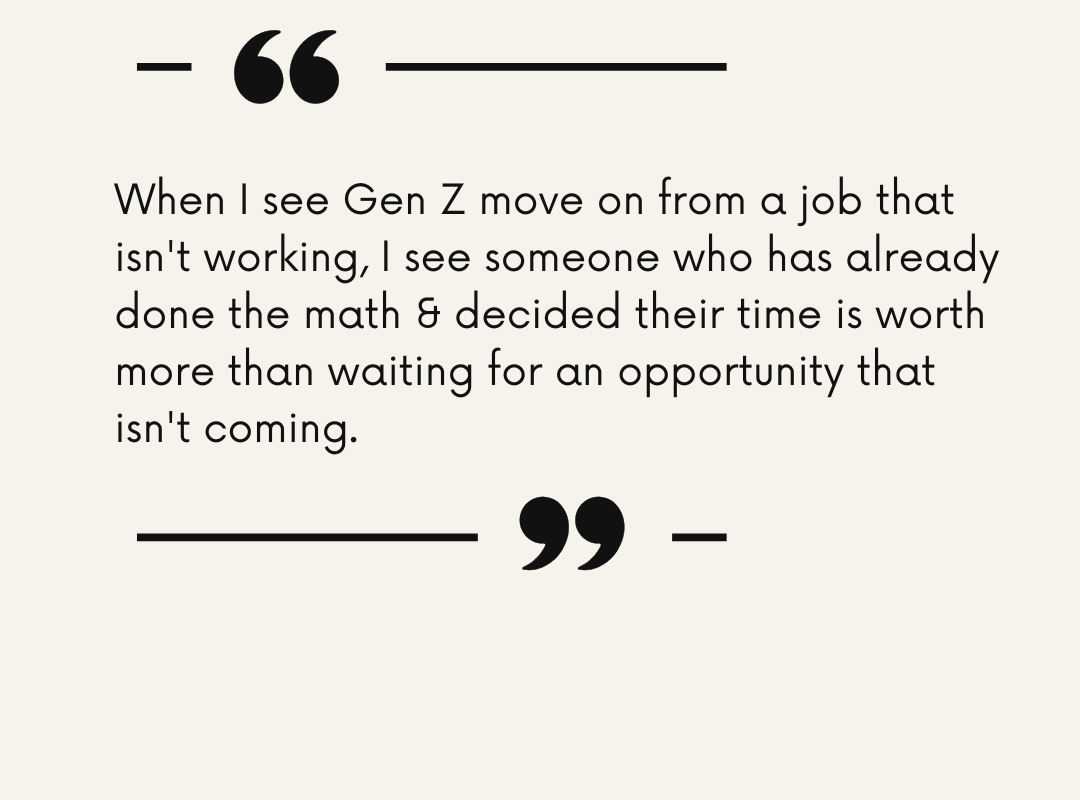
So when I see Gen Z move on from a job that isn't working, I don't see impatience. I see someone who has already done the maths and decided their time is worth more than waiting for an opportunity that isn't coming. We didn't shift our expectations. We just stopped pretending the old system was working for us.
Q. Many young professionals equate career growth with promotions or switching jobs. What does growth actually look like in today's world?
Not a title. Not a salary band. Not a promotion email that makes you feel seen for approximately forty-eight hours. For me, growth is capability you actually own, something that lives in you, not in a job description. When I interned at Zara, I went in knowing a lot about fashion marketing in theory: brand research, consumer psychology, positioning. And I found that everything I'd learned in the classroom was maybe ten per cent of what the reality looked like. It's chaotic. It's messy. It looks glamorous from the outside and it is genuinely not glamorous on the inside. That gap between the version of an industry that gets taught and the version you actually live, is where real growth happens. No performance review will give you that. Only experience will.
Q. You've built opportunities beyond a traditional résumé, through your online presence and personal brand. Is Gen Z redefining career growth by looking beyond conventional paths?
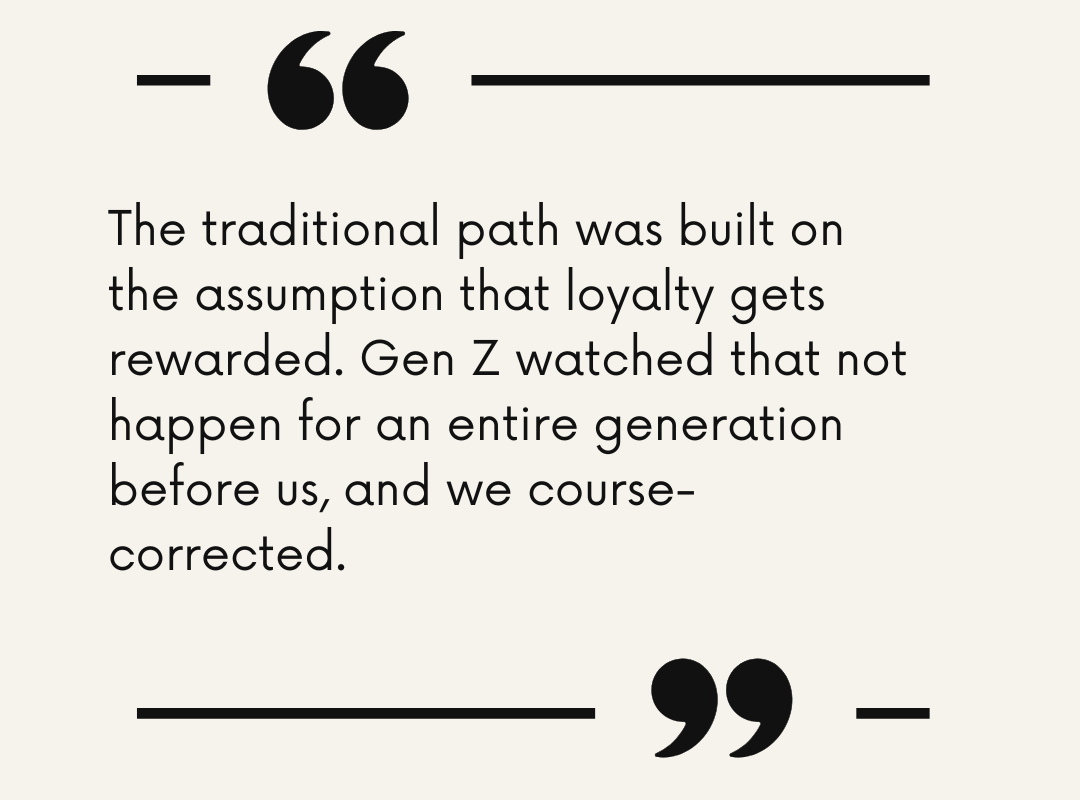
Yes, and I don't think it's even a debate anymore. The traditional path was built on the assumption that loyalty gets rewarded. Gen Z watched that not happen for an entire generation before us, and we course-corrected. What I've built: Label Pari Kalra, my content, my personal brand, and none of it fits neatly on a conventional CV. But it's real work. It took strategy, creativity, consistency, and learning to fail publicly and come back anyway. The idea that this is somehow less legitimate than a corporate job title is something only people who are uncomfortable with change believe. The résumé is becoming the least interesting thing about you. What you've built, what you stand for, what people say about you when you're not in the room, that's the new CV.
Q. You've built a distinctive personal brand over time. What strategies, habits or decisions shaped it most and what can our readers take from your experience?
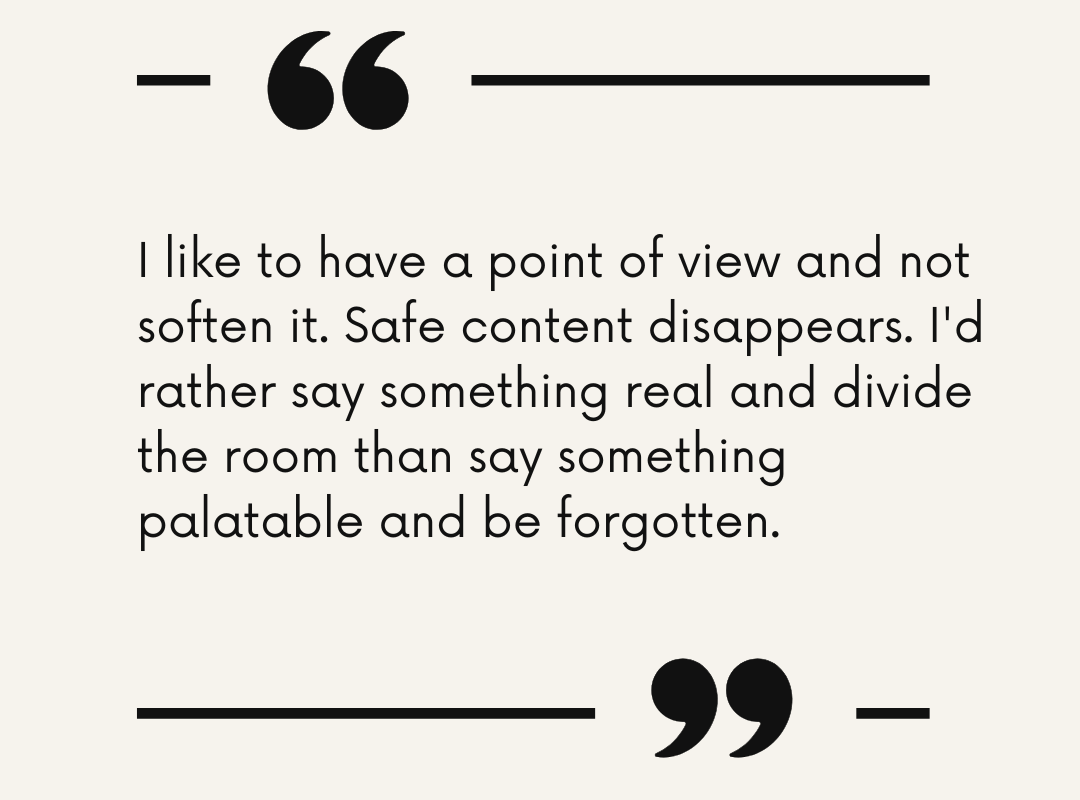
Specificity, first. I didn't try to be for everyone. I leaned into a very particular lens: fashion communication, luxury branding, the psychology of how people experience brands, and I let that focus do the work of attracting the right people and repelling the wrong ones. Most people aren't comfortable with that, because it means accepting that a lot of people won't be interested in you. But the ones who are? They stay. Second, having a point of view and not softening it. Safe content disappears. I'd rather say something real and divide the room than say something palatable and be forgotten. And honestly? Just showing up. There's no secret. Consistency is the whole thing.
Q. Building in public means inviting people into both your highs and your lows. With so many eyes on your journey, how do you navigate the vulnerability, the external expectations, and your own inner critic?
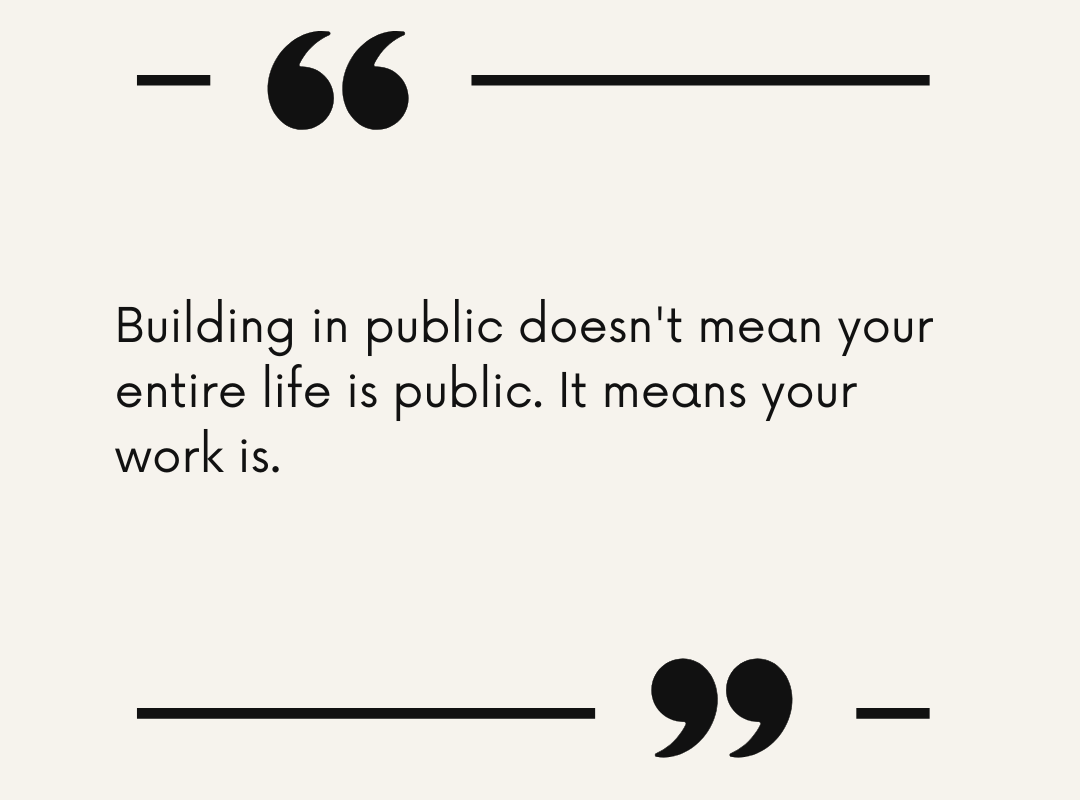
Here's something I don't think people talk about enough: it's not just the lows that are hard to share. Sometimes the good things are scarier, because then you have to deal with people's reactions to your good things. The jealousy. The nazar: the evil eye. Friends making comments that are disguised as jokes. You start to feel you have to be careful about what you put out, not because it's negative, but because good news makes certain people uncomfortable, and somehow that becomes your problem to manage. And then there's the guilt: the feeling that you're not sharing enough, or the right things, or that you owe people a certain version of your journey. You don't. You share what feels right, and you protect what needs protecting. Building in public doesn't mean your entire life is public. It means your work is.
Q. Social media constantly shows us people announcing new jobs, promotions, startups and milestones. How has that changed the way Gen Z measures success and progress?
It's made comparison the default setting, and I think that's genuinely done damage to how our generation experiences progress. You see an announcement about the new job, new brand deal, new milestone, and for a second your brain does this thing where it quietly asks: and what are you doing? What you're not seeing is the year before that announcement. The rejected pitches, the bad months, the moments where they almost quit. Everyone is curating. Once you really internalise that, the comparison loses some of its grip. I've had to actively train myself to stop measuring my timeline against other people's highlight reels. I won't say I've fully cracked it. But I've got better at recognising when I'm watching someone else's journey instead of building my own.
Q. Is career stagnation always the organisation's responsibility, or do young professionals also need to take ownership of creating their own opportunities?
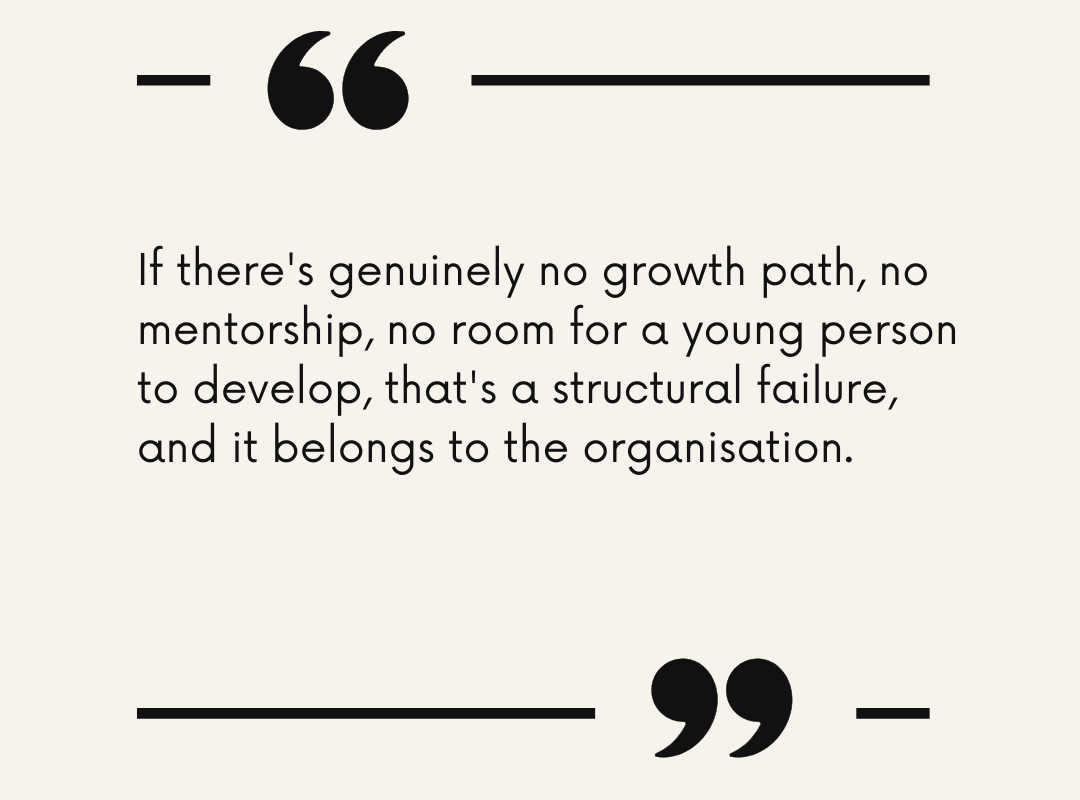
Both but they're different kinds of responsibility. Organisations design the environment. If there's genuinely no growth path, no mentorship, no room for a young person to develop, that's a structural failure, and it belongs to the organisation. You can't put that on the individual. But young professionals sometimes give their power away by waiting. Waiting for someone to notice them. Waiting for a project to be assigned. Waiting to be given permission to grow. That waiting is on us. The Zara internship taught me this. The industry can look like everything you've studied, but you won't actually learn it until you're inside it, living it, and that learning doesn't come from waiting to be taught. You have to go and get it.
Q. For someone who feels stuck in a role but isn't in a position to leave, what are some practical ways they can keep growing?
Use the job to fund the thing you actually want to build and start building it now, not later. Not when the time is right, not when you have more bandwidth. Now, small, imperfect. Learn in public. Start writing about what you're learning, what you're observing, what you think not because the content will go viral, but because articulating your thoughts forces you to sharpen them. LinkedIn, a newsletter, a voice note you turn into a caption; the format doesn't matter, the habit does. And talk to people in the roles you want not to network in the transactional sense, but to understand what the path actually looks like from someone living it. That will do more for your stagnation than any internal training module.
Q. What are the biggest mistakes organisations make when trying to retain ambitious young talent?
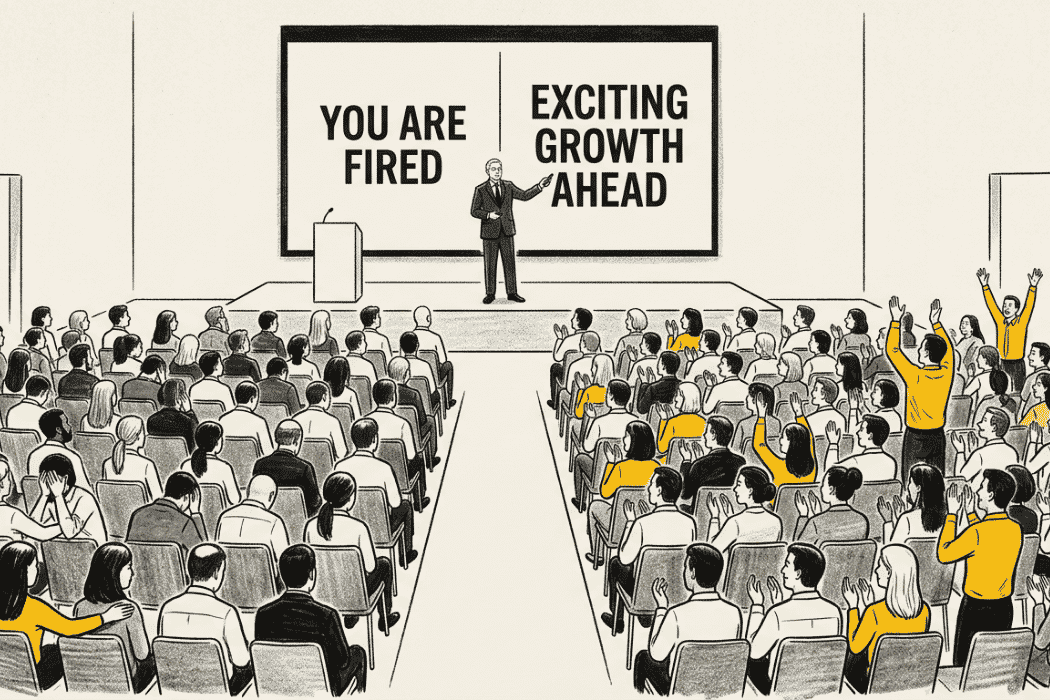
The first is treating visibility as a substitute for development. A shoutout in a meeting feels good for five minutes. It is not growth, and young people can tell the difference. The second is having feedback structures that are really just approval structures where feedback flows one way, where questioning a decision reads as attitude, where "we have an open door" means nothing in practice. Gen Z will not stay in environments where their voice disappears the moment they actually use it. And the third, which I feel strongly about: penalising young people for failing at things nobody properly prepared them for. You can't throw someone into responsibility without support and then act surprised when something breaks. That's not their failure. That's yours.
Q. If you could change one thing about how workplaces approach career development for early-career professionals, what would it be?
I'd make career development a conversation instead of a template. The whole "here is your career ladder, here are the rungs" model assumes everyone wants the same destination. Most of us don't. What we want to know is: what am I actually building towards here? What skills am I genuinely developing? Does this place see me, not just my output?
Q. As Gen Z redefines what success looks like, what do you believe the future of career growth will be and what's the one piece of advice you'd leave young professionals navigating stagnation on their own terms?
The future of career growth is going to be deeply personal, and that's the thing most institutions aren't ready for. It won't be one ladder. It'll be a lot of people building very different things, on their own terms, and calling that a career, because it is. And one thing I want to say that people get wrong about my generation: Gen Z is not lazy, and we're not unserious. I work hard. I've seen Gen Z work incredibly hard. But we work differently: we value smart work, we have lives outside our job titles, and our entire identity isn't tied to where we work or what our designation is. That terrifies some people. I think it's the healthiest thing we've done. So my advice for anyone navigating stagnation right now: stop waiting for the right moment and start building the smallest version of what you actually want. You don't need a big following, a big budget, or anyone's approval. You just need to start and the momentum comes from the doing, not the planning. And stop shrinking yourself to make other people comfortable with your ambition. The ones who matter will not ask you to.
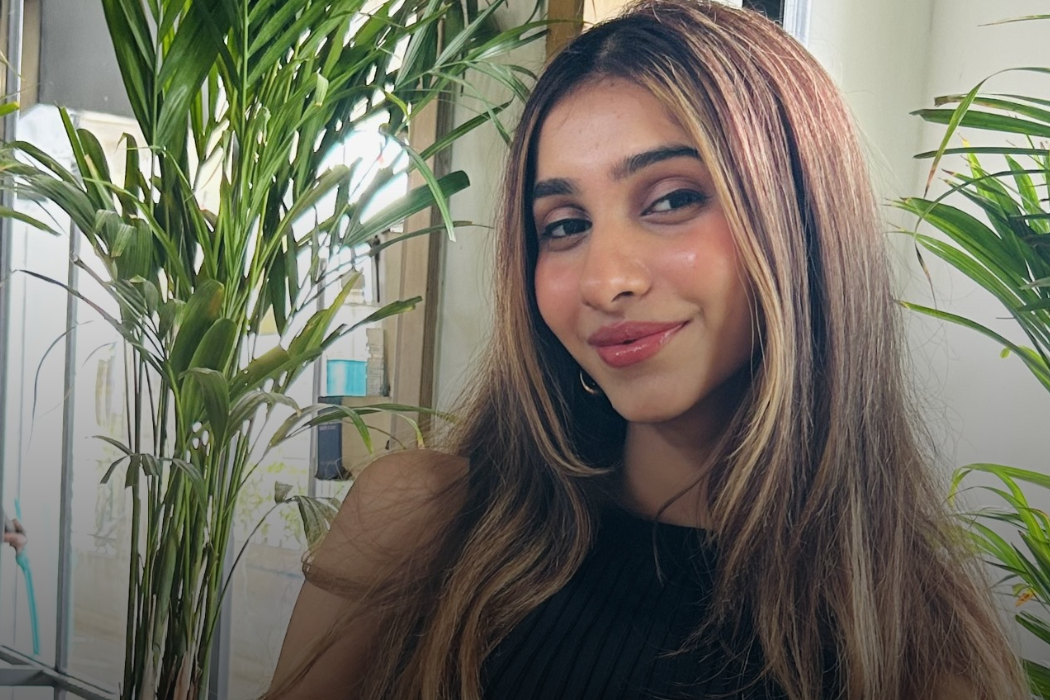
About Pari Kalra
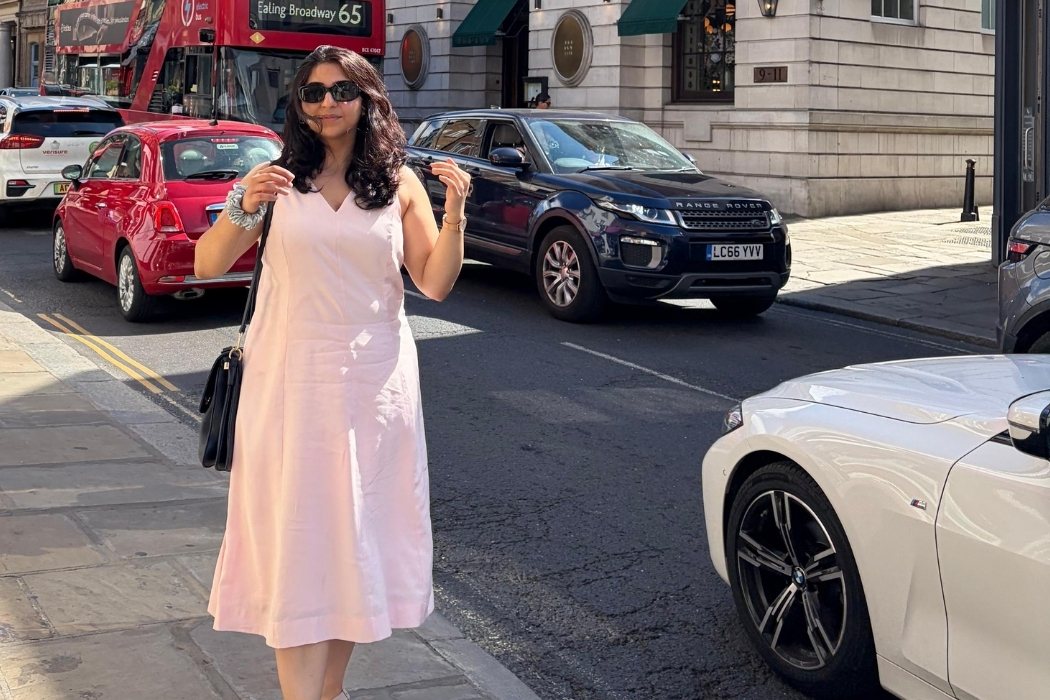
Pari Kalra is the founder and creative director of Label Pari Kalra, a fusion fashion label built around limited, intentional drops, and a content creator writing on fashion, branding and career honesty across Instagram and LinkedIn. She is in her final year of Fashion Communication and Styling at Amity University, Noida.
.jpg)
%20(1).png)
.png)