




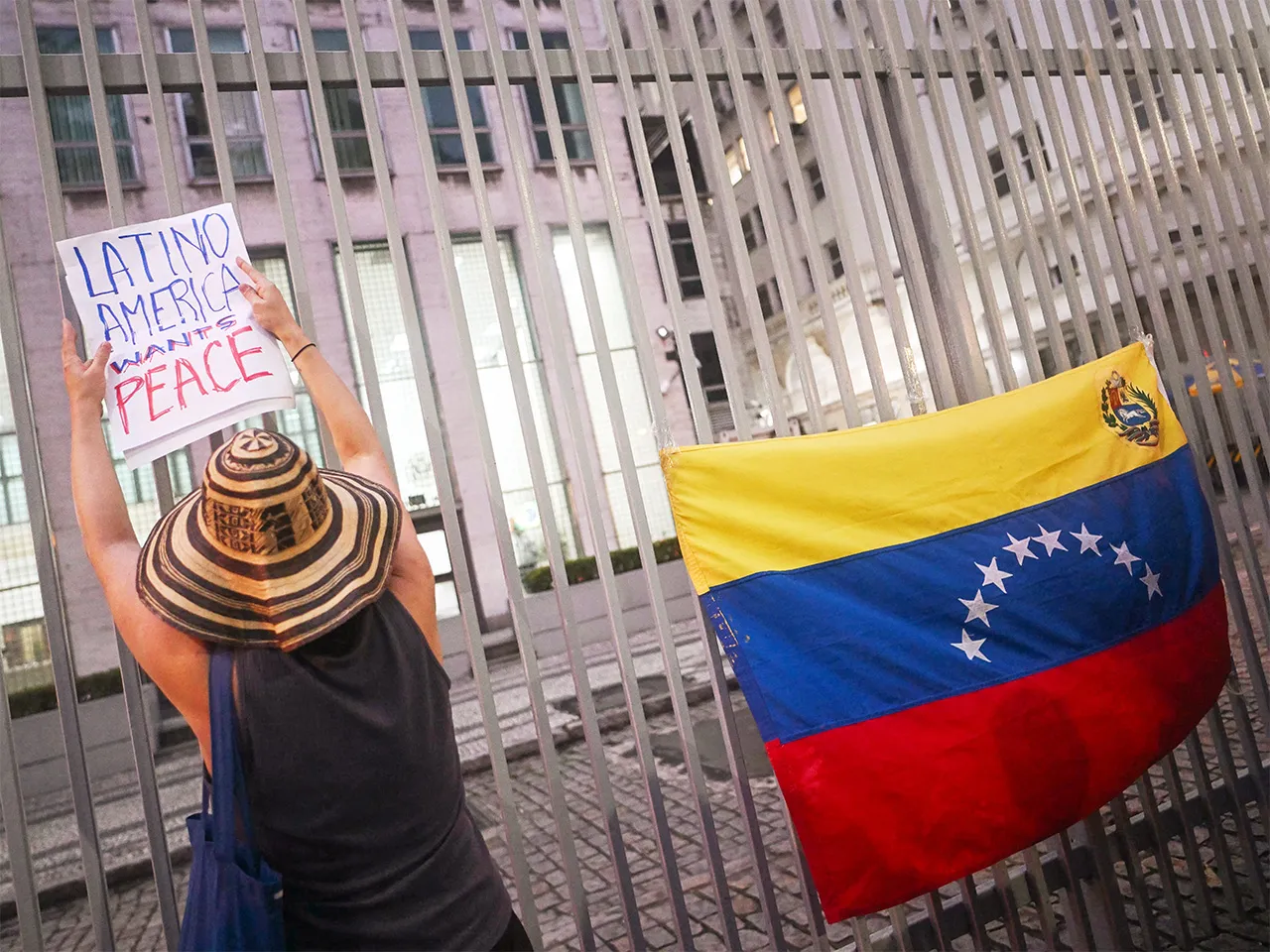
The US has a long history of interference in Latin American politics, including the support of brutal Cold War-era military dictatorships in Chile, Argentina, Brazil and elsewhere. The return of gunboat diplomacy and military adventurism in Venezuela is, for many Latin American leaders, a return toward a dark past. And US officials have done little to assuage anyone in the region of such concerns. A day after the Venezuela strikes, Trump told reporters that he liked the idea of a military operation against Colombia, calling left-wing president Gustavo Petro a “sick man”. The US has also openly threatened Cuba and made veiled threats against Mexico. And if the intention of the White House was not clear enough, a cartoon image posted to an X account linked to the US president showed Trump as a colossus standing astride North and South America, brandishing a large baton.
While the prospect of fresh military strikes might currently preoccupy Latin American leaders, another potential avenue for US adventurism in the hemisphere is upcoming elections. This year, Brazil, Peru and Colombia will head to the polls and leaders there will need to be on guard for signs of electoral interference. Argentina, Ecuador, Paraguay, as well as the incoming administration in Chile, are already sympathetic to the Trump White House. If Brazil, Peru and Colombia swing in that direction this year – either with or without interference – Washington will be one step closer to its dreams of overt US hegemony in the Western Hemisphere.